Russia launches a full attack on Ukraine
-
Russia decision to attack Ukraine will be met with harsh sanctions from the West.
-
It is a close call whether the West will exclude Russian banks from the Swift system, which would be a major blow to the Russian economy and lead to significant energy shock in Europe.
-
Higher energy prices and hit to economic confidence will exacerbate stagflation concerns in the Eurozone and pose challenge for the ECB.
-
The prospects of tough sanctions on Russia create significant upside for both oil and gas prices as well as some metal and wheat prices.
-
RUB and CEE currencies take a hit while USD and CHF are to benefit.
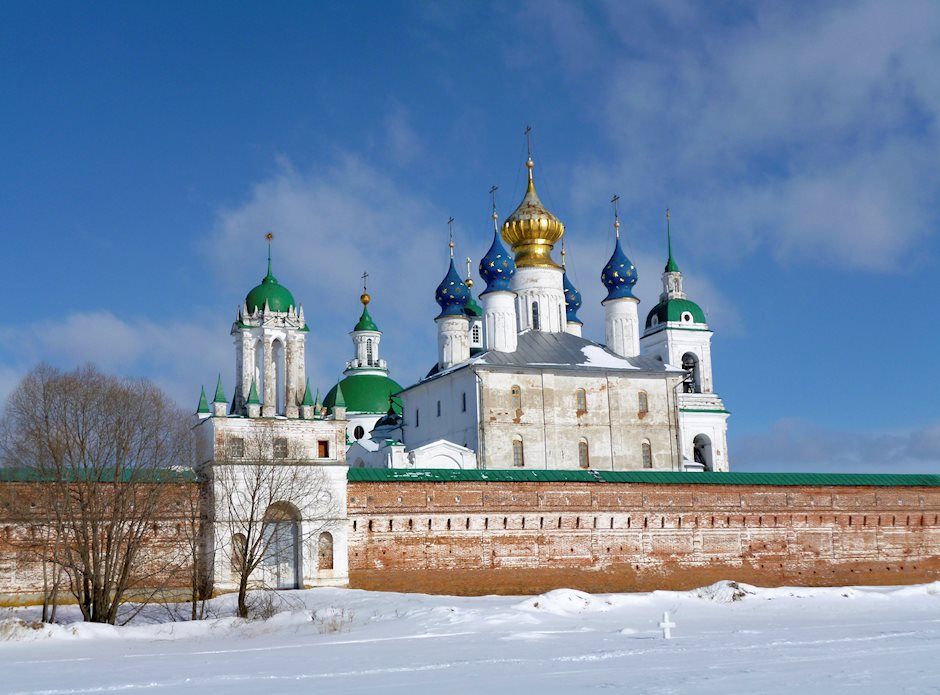

Russia has this morning launched a full attack to Ukraine. At this stage, it is unclear what the scope of the attack is and what Russia is ultimately aiming for. In a speech held just before commencing the attack, Putin said Russia is not aiming to conquer Ukrainian areas, and is only aiming at Ukrainian military operations. Nevertheless, missile strikes have been reported in several cities across Ukraine, including the capital Kiev, which means the operations are clearly more widespread than initially feared. Ukraine has also been under continuous cyber-attacks since yesterday evening. Earlier this week, the discussion circled around where Russia sees the borders of the Donbass region in Eastern Ukraine, but now it is clear that the situation has escalated further. Markets have reacted with a broad risk-off, and the Russian central bank is intervening in the RUB markets. Especially energy commodities have sold off, as the potential sanctions limiting international trade with Russia could have a strong impact on the Russian supply.
Western response will go for harsh sanctions
The next step to watch is the Western reaction. There will be an emergency meeting among G7 leaders later today where they will discuss their response politically and economically toward Russia. This will be followed by meeting by EU leaders. We think that NATO will tread very carefully given the threat with regard to military assistance to Ukraine given the warning from Putin about the consequences of any third party involvement in the country. Instead, we think that the West will try to hit Russia as hard as they can economically through harsh sanctions. These will include both restrictions on trade with Russia, likely sanctions on the biggest Russian banks and some kind of restrictions on payments systems. This could be either in the form of exclusion of Russia from the Swift system or a more limited option of the US and UK banning Russian banks from the use of USD and GBP, which the US President Biden and UK Prime Minister Johnson have been alluding to. We think it is a close call but don’t think that the West will go for the latter option of banning Russia from the use of USD and GBP. In that regard, the White House alluded to this on Tuesday said when announcing their first batch of sanctions saying that that “the Secretary of the Treasury will determine that any institution in the financial services sector of the Russian Federation economy is a target for further sanctions.
Author
Danske Research Team
Danske Bank A/S
Research is part of Danske Bank Markets and operate as Danske Bank's research department. The department monitors financial markets and economic trends of relevance to Danske Bank Markets and its clients.