Reserve Bank of New Zealand Preview: Will they step up their tightening game?
- The Reserve Bank of New Zealand is set to hike OCR by 50 bps to 2% in May.
- The pace of future tightening will hold the key amid global recession risks.
- The kiwi needs more than a 50 bps hike to extend the ongoing recovery.
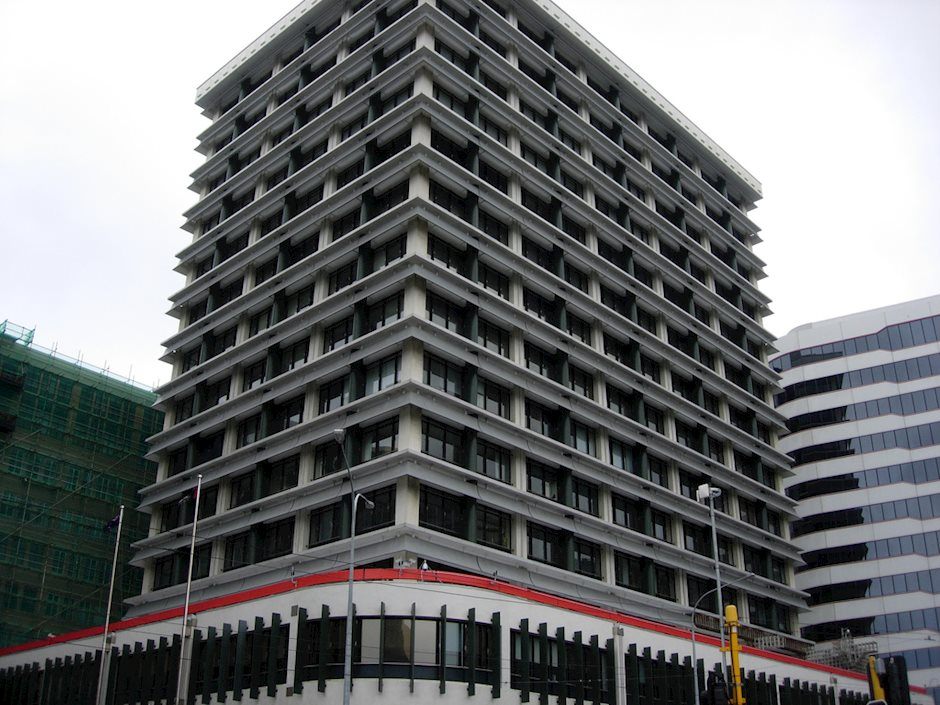

Another double-dose rate hike is on the table from the Reserve Bank of New Zealand (RBNZ) when it meets this Wednesday to decide on its monetary policy at 0200 GMT. The central bank’s outlook on the pace of tightening, however, will be key in determining NZD/USD’s next price direction.
RBNZ: A 50 bps hike already baked in
A 50 bps hike to the Official Cash Rate (OCR) from 1.50% to 2% on Wednesday is well priced in by the market. The RBNZ will raise the key rate for the fourth consecutive time since last October, accounting for two back-to-back double-dose lift-offs.
With the half percentage point rate hike coming this time, the central bank will become the first major central bank to achieve a neutral stance for the first time since 2015. The policy announcement will be followed by Governor Adrian Orr’s press conference at 0300 GMT.
20 out of the 21 economists surveyed by Reuters projected a 50 bps rate hike this month. Markets are predicting additional 25 bps rate hikes in July, August, October, and November, which would bring the OCR to 3% at the end of 2022.
In its April policy meeting, the RBNZ delivered a hawkish surprise by raising rates by 50 bps. The accompanying monetary policy statement also read hawkish, citing that the board members “agreed that moving the OCR to a more neutral stance sooner will reduce the risks of rising inflation expectations.”
The South Pacific Island nation’s economic performance remains solid, with New Zealand’s unemployment rate at a record low of 3.2% in Q1 and an increase in wage growth. The economy returned to a 3% growth in the final quarter of 2021, emerging firmly from COVID-19 lockdowns.
As highlighted by the central bank, the country’s two-year ahead inflation expectations rose to a fresh 31-year high of 3.29% from 3.27% in the first quarter. Meanwhile, annual inflation rose 6.9% from 5.9% in the previous quarter, the fastest rate since a 7.6% annual increase in the year to the June quarter of 1990, according to the latest data published by Statistics New Zealand. The RBNZ’s inflation target range is 1-3%.
Against the backdrop of raging inflationary pressures, the RBNZ could be compelled to act aggressively, as the New Zealand financial system remains well placed to support the economy.
In increased evidence of confidence on the economy, Orr said earlier this month that he doesn't see stagflation as a core risk, although he did not rule out a global recession in the coming months.
Trading NZD/USD with RBNZ decision
Wednesday’s RBNZ announcement could likely help NZD/USD revive its recovery momentum towards 0.6500 should the bank offer more than just a 50 bps hike.
Hints of an aggressive pace of tightening in the coming months, with combating inflation on top of the central bank’s agenda, could drive the kiwi pair towards the May highs of 0.6568.
The currency pair could witness a ‘sell the fact’ trading on an expected 50 bps hike with dovish forward guidance, as the RBNZ could be worried about hard-landing risks. In such a case, an extended correction towards May 20 lows of 0.6363 could be in the offing.
The market’s perception at the time of the policy announcement and the US dollar price action ahead of Wednesday’s FOMC Minutes could also affect NZD/USD’s reaction.
Premium
You have reached your limit of 3 free articles for this month.
Start your subscription and get access to all our original articles.
Author
Dhwani Mehta
FXStreet
Residing in Mumbai (India), Dhwani is a Senior Analyst and Manager of the Asian session at FXStreet. She has over 10 years of experience in analyzing and covering the global financial markets, with specialization in Forex and commodities markets.