RBNZ Preview: Policy statement hints on inflation are seen boosting NZD exchange rate
- The RBNZ is widely expected to keep the OCR on hold in May citing decelerating inflation as the main reason.
- The commodity price and the exchange rate developments are likely to boost inflation near term.
- Direct mention of the exchange rate in Monetary Policy Statement should boost NZD temporarily.
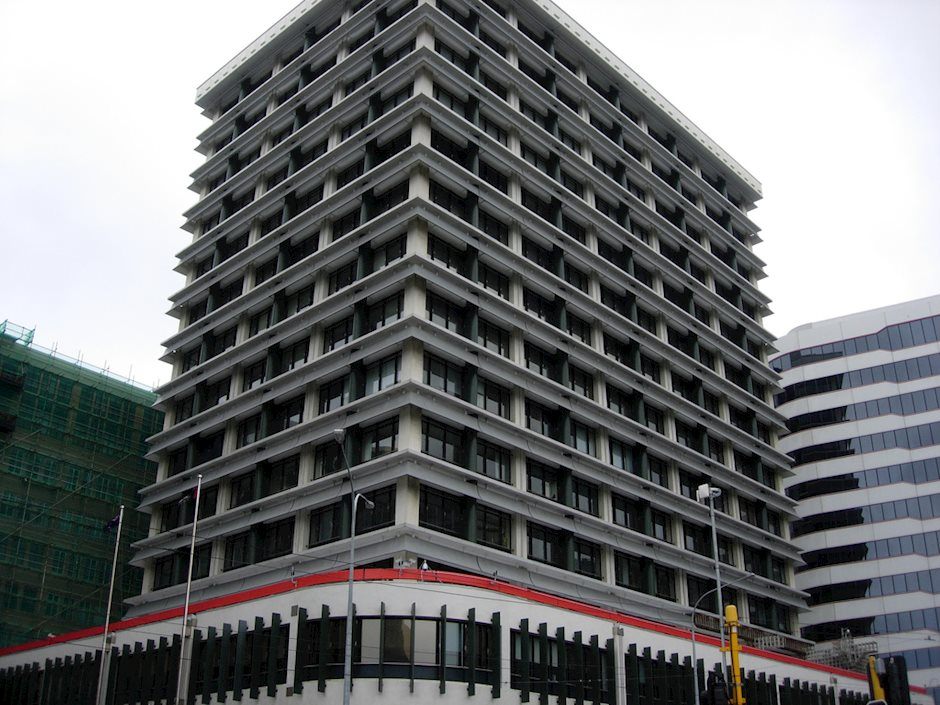

The Reserve Bank of New Zealand (RBNZ) is expected to leave its outlook for the Overnight Cash Rate (OCR) in its monetary policy meeting scheduled for next Wednesday unchanged as the inflation is decelerating towards the lower end of the inflation target of 1%-3% average over the medium term while labor market remains tight. Along with the decision on OCR, the RBNZ is also issuing its Monetary Policy Statement (MPS).
As this will be Adrian Orr’s first MPS as the RBNZ Governor, there are changes in the statement that might be required by new Governor, either substantial in the direction of the monetary policy or stylistic in wording. And this is what makes this event a market driver even with the on-hold decision widely expected.
Looking at the main economic drivers, the New Zealand inflation rose 0.6% over the quarter while increasing 1.1% over the year during the first quarter of 2018. This represents a deceleration from 1.6% y/y growth rate in the final quarter of 2017 and down from 2.2% y/y increase in the first quarter last year. Housing and household utilities increased 3.1% over the year in the first quarter 2018 in New Zealand representing the largest upward contributor to overall inflation together with alcoholic beverages and tobacco that rose because of an increase in excise duty.
The RBNZ is communicating the message of too low inflation consistently for more than a year now and the policy rate won’t be altered until the RBNZ will see inflation picking up. The last statement from RBNZ said the Bank will keep the OCR at 1.75% until mid to late 2019.
In terms of the economic development in New Zealand relating to inflation, there are two trends in place that have on balance been slightly inflation positive, especially with the recovery in commodity prices.
The inflationary driver is also stemming from the exchange rate development with the New Zealand Dollar dropping below the forecast of the RBNZ.
The RBNZ is therefore likely to remain on hold not only with the current monetary policy setup but also with its outlook. Especially given the fact that trends in inflation are from the RBNZ’s point of view more important than the fact that the New Zealand GDP growth has probably slowed down.
The New Zealand Dollar has been under strong selling pressure recently due to external factors including the outlook for the US interest rates and the US Treasury yields development. Should the policy stance of the RBNZ indicate its willingness to act on rates earlier than currently anticipated, the New Zealand Dollar might be boosted temporarily, particularly if the RBNZ mentions directly the recent fall in the exchange rate.
New Zealand Inflation 2000-2018

Author
Mario Blascak, PhD
Independent Analyst
Dr. Mário Blaščák worked in professional finance and banking for 15 years before moving to journalism. While working for Austrian and German banks, he specialized in covering markets and macroeconomics.