Powell needs to answer these three questions

The U.S. dollar traded sharply higher against all of the major currencies on Thursday on the back of stronger data. There was an upward revision to second quarter GDP and while the increase was less than expected, the direction of the adjustment was positive for the greenback. Jobless claims ticked up but the more closely watched 4 week average dropped to its lowest level since the pandemic began. All eyes are on Friday’s Federal Reserve Jackson Hole symposium. We heard from a few central bankers this morning and their comments were relatively hawkish. Fed President George said it is time to begin adjusting accommodation while Fed President Bullard called on the Fed to get going on taper and finish in the first quarter of 2022. Both are non-voting members of the FOMC this year but it is clear there are policymakers like Bullard who do not share Powell’s view that inflation will moderate.
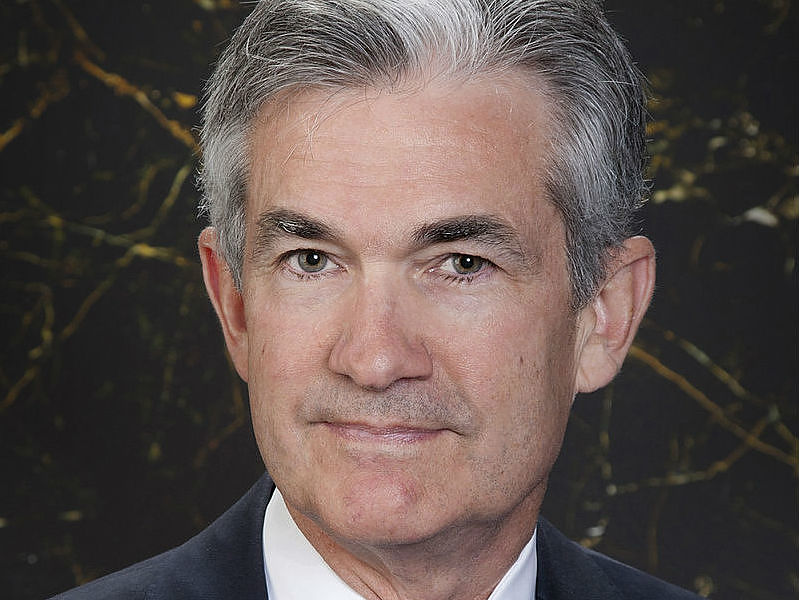
Fed Chairman Jay Powell speaks at 10am ET / 14 GMT on Friday and investors will be watching for answers to 3 key questions:
- Will taper begin in September?
- Is Delta or inflation the bigger concern?
- What does the central bank’s post pandemic policies look like?
Jackson Hole is an important venue for Federal Reserve policies. At last year’s conference, Powell announced that they would no longer raise interest rates on labor market and inflation targets alone. They wanted evidence that prices were rising sustainably which could mean allowing CPI to exceed their 2% target for a period of time.
A month ago, investors expected the Fed to set out details for reducing bond purchases at Jackson Hole but the rapidly spreading Delta variant complicates the central bank’s policy plans. On the one hand, the labor market recovery is strong and inflation is on the rise but on the other, lockdowns and new restrictions in other nations poses a risk to the global recovery. Evidence is growing that vaccine efficacy is waning and a third booster will be needed. Until that becomes widely available, medical experts are concerned that infections could surge in the fall.
The most important question is when taper will begin. The persistent rally in stocks are a sign that investors think the Fed could kick the can down the road and delay announcing their taper plans to September. Over the past few weeks, there have been widespread reports of deterioration in manufacturing and service sector activity in all corners of the world including Australia, U.K., Eurozone and the U.S. The Delta variant is posing a risk to the global recovery and some investors believe that the Fed could wait a few more weeks before signaling taper. There will be more information on the economic impact of delta and recent shifts in inflation trends (oil and lumber prices have come down sharply). Also, while the labor market is strong, there will be one more jobs report before the September FOMC meeting. There are also 2 more policy meetings before the end of the year in November and December so the Fed could wait a few more weeks before providing clear guidance on when they’ll start reducing asset purchases.
We know that Fed Chair Powell is less worried about inflation than some of his peers so if he feels that Delta is the bigger risk and opts to be more conservative and puts off signaling taper, stocks will soar, yields will fall and the U.S. dollar will weaken. On the other hand if he feels that a one month delay won’t make much of a difference because tapering this year is inevitable so they should begin in September, stocks will descent from their highs, yields will rise and the dollar will extend its gains against all of the major currencies.
Although personal income and spending numbers are due for release in the morning, traders should expect quiet consolidation before Powell speaks at Jackson Hole. Bank of England Governor Carney delivers a lunchtime keynote address that could also be of market moving for the British pound.
Author
Kathy Lien
BKTraders and Prop Traders Edge