Outlook 2023: Gold is expected to have quite an active year in 2023
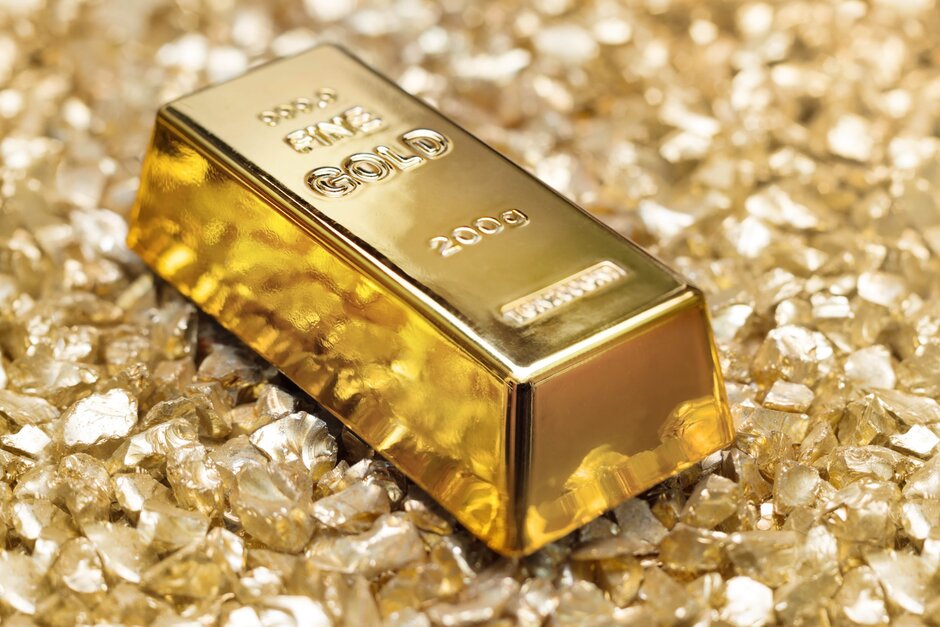

As a hedge against uncertainty, gold is expected to have quite an active year in 2023. There are many risk events already on the calendar for the next 12 months, and then we have to consider the unforeseeable events that could shake up markets. There are also a series of expected changes in both monetary and fiscal policy that could change the direction of the price in gold.
For the moment, gold is getting support from two main sources: The weaker dollar as the Fed slows down the pace of its interest rate hikes. And central banks around the world are buying up gold going into the end of the year. The reasons for the latter are harder to parse, because central banks are notoriously tight-lipped about why they are investing in safe-havens. One of the more common explanations is the assessment that gold is undervalued in the current market, and would likely appreciate at least in the coming months.
Further support from the Fed?
One of the main selling points of gold is that it doesn't suffer from inflation. So, given the skyrocketing CPI last year, how come gold didn't spike? That is mostly due to the rise in interest rates that made the dollar more attractive, and the expectation that inflation would be reduced substantially in the short term.
But now that the Fed is expected to at most level off in rates, if not cut them some time next year, the dollar has been getting weaker the last couple of months. Unless there is a major change in outlook from the Fed over the next couple of meetings, that trend is expected to continue. Which could further support gold.
What about China?
The largest buyer of gold is another important factor. Lockdowns in China have hurt economic development. But now lifting the lockdowns is causing economic issues as many workers are absent due to illness. The theory is that Chinese people have low immunity to covid because of the low rate of vaccinations and lack of exposure to the disease. But the wave of cases is expected to subside at some point through the winter, and then the Chinese economy might rebound, bringing with it renewed demand for gold.
But there is another problem: The majority of economists are forecasting a global recession in the first half of next year. This could imply a slower rebound for the Chinese economy, and less disposable income to buy gold. Additionally, the traditional view among financial managers is to hold cash through an economic downturn to be ready to snap up bargains. If the Fed shows little sign of reducing rates, the dollar could get a second wind during the early part of next year.
Getting through March
Several issues are expected to be resolved by the end of March: Europe will be through the worst of the winter weather, the geostrategic situation in Ukraine will enter a new phase, the ECB will update on further bond sales, and the US economy will show signs of whether it fell into a recession in the first quarter. Therefore, March could be an inflection point for risk perception.
Gold could see substantial volatility depending on expectations of if or when there is a recession, how deep it gets, and whether central banks will ease up on policy sooner than anticipated.
Author
Jing Ren
Orbex
Jing-Ren has extensive experience in currency and commodities trading. He began his career in metal sales and trading at Societe Generale in London.

















