|

Oil markets: Geopolitical risk premium evaporates
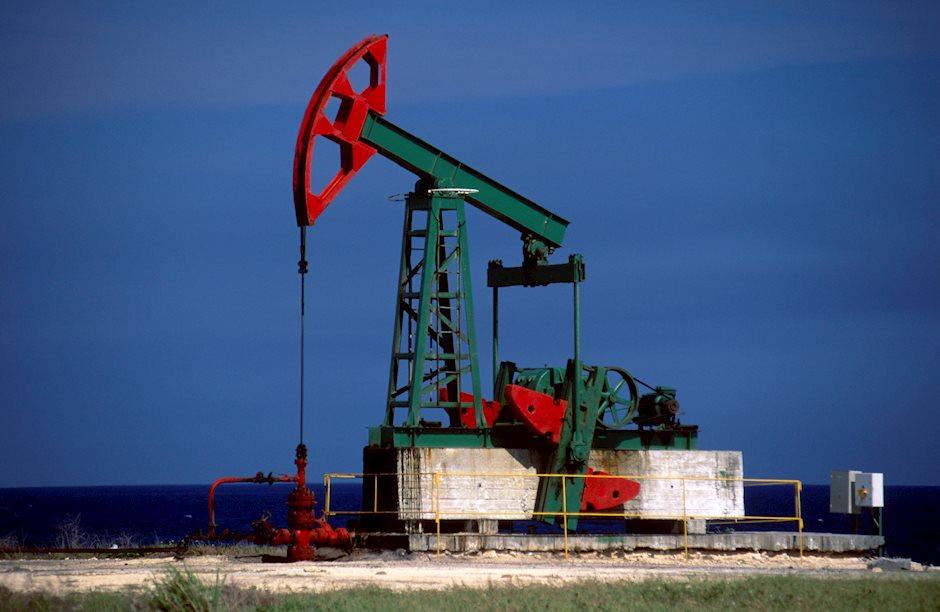
Crude oil took a nosedive as supply-side pressures began to ease. The geopolitical risk premium, which had been inflating prices, started deflating when the US announced that Israeli Prime Minister Benjamin Netanyahu had accepted a bridging proposal to cool tensions between Israel and Hamas. A de-escalation in the Middle East could make that risk premium evaporate faster than a puddle in the desert sun.

Meanwhile, word from market intelligence over in Libya indicates that production at the Waha oil field has rebounded to its usual output of around 300,000 barrels per day, thanks to pipeline maintenance finishing ahead of schedule. However, it's not all smooth sailing—Libya's Sharara field remains offline due to a political standoff between rival governments, keeping a lid on a full recovery.

On the demand side, China remains a bit of a wildcard. Despite a surge in summer travel, the growing preference for high-speed rail and electric vehicles is putting a dent in gasoline consumption. According to a Bloomberg report, sales at China’s two biggest oil retailers, PetroChina and Sinopec, have slumped by over 5% since July.

The US, however, is a whole different kettle of fish, as Americans still love to hit the open road. Domestic demand is holding strong, with AAA reporting that bookings for domestic travel over the Labor Day weekend are up 9% year-over-year. So while China’s appetite for oil is cooling, Americans are revving up and hitting the highways, keeping some demand firmly in the tank.

Author

Stephen Innes

Stephen Innes

SPI Asset Management

With more than 25 years of experience, Stephen has a deep-seated knowledge of G10 and Asian currency markets as well as precious metal and oil markets.


More from Stephen Innes
Share:

Editor's Picks

EUR/USD gathers strength above 1.1900 ahead of US January NFP data

The EUR/USD pair gains traction to near 1.1915 during the early European session on Wednesday, bolstered by a weaker US Dollar. Markets might turn cautious later in the day ahead of the delayed US employment report for January, which will offer clues on the path of Federal Reserve policy.

GBP/USD recovers losses despite rising UK political risks, BoE rate cut bets

Pound Sterling advances against the US Dollar after registering modest losses in the previous session, trading around 1.3650 during the Asian hours on Wednesday. The pair could extend losses as the Pound Sterling faces pressure from rising political risks in the UK and growing expectations of near-term Bank of England rate cuts.

Gold sticks to gains near $5,050 amid Fed-driven USD weakness; focus remains on US NFP

Gold climbs back above the $5,050 level during the Asian session on Wednesday, reversing a part of the previous day's modest losses amid dovish US Federal Reserve-inspired US Dollar weakness. This, in turn, is seen as a key factor acting as a tailwind for the non-yielding yellow metal. 

Bitcoin, Ethereum and Ripple show no sign of recovery

Bitcoin, Ethereum, and Ripple show signs of cautious stabilization on Wednesday after failing to close above their key resistance levels earlier this week. BTC trades below $69,000, while ETH and XRP also encountered rejection near major resistance levels. With no immediate bullish catalyst, the top three cryptocurrencies continue to show no clear signs of a sustained recovery.

Dollar drops and stocks rally: The week of reckoning for US economic data

Following a sizeable move lower in US technology Stocks last week, we have witnessed a meaningful recovery unfold. The USD Index is in a concerning position; the monthly price continues to hold the south channel support.

XRP holds $1.40 amid ETF inflows and stable derivatives market

Ripple trades under pressure, with immediate support at $1.40 holding at the time of writing on Tuesday. A recovery attempt from last week’s sell-off to $1.12 stalled at $1.54 on Friday, leading to limited price action between the current support and the resistance.