New Zealand dollar – Upwards into the elections?
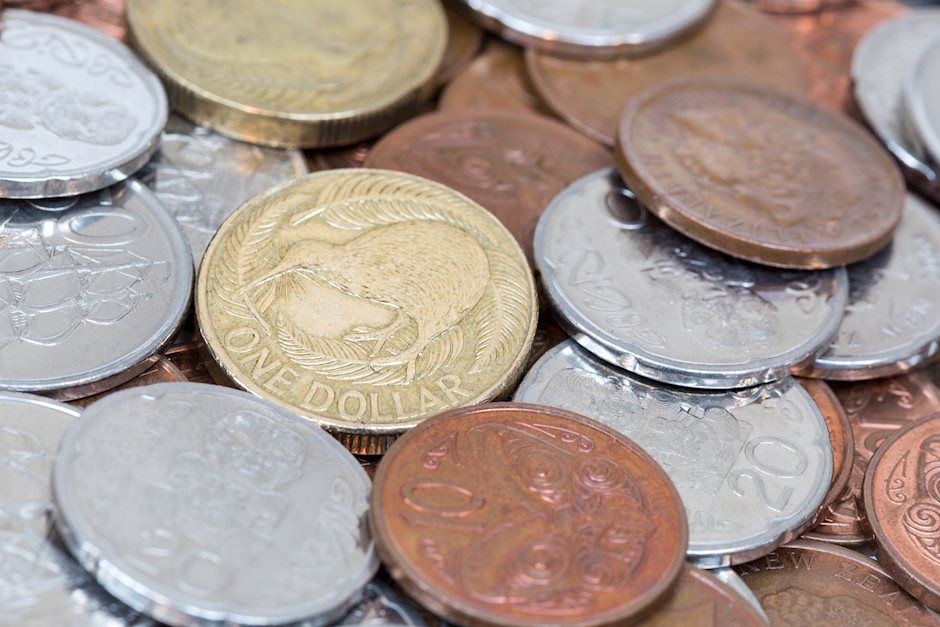

Similarly to the United States, New Zealand has its elections coming up in 25 days. What's the future of the New Zealand dollar once a party is enacted?
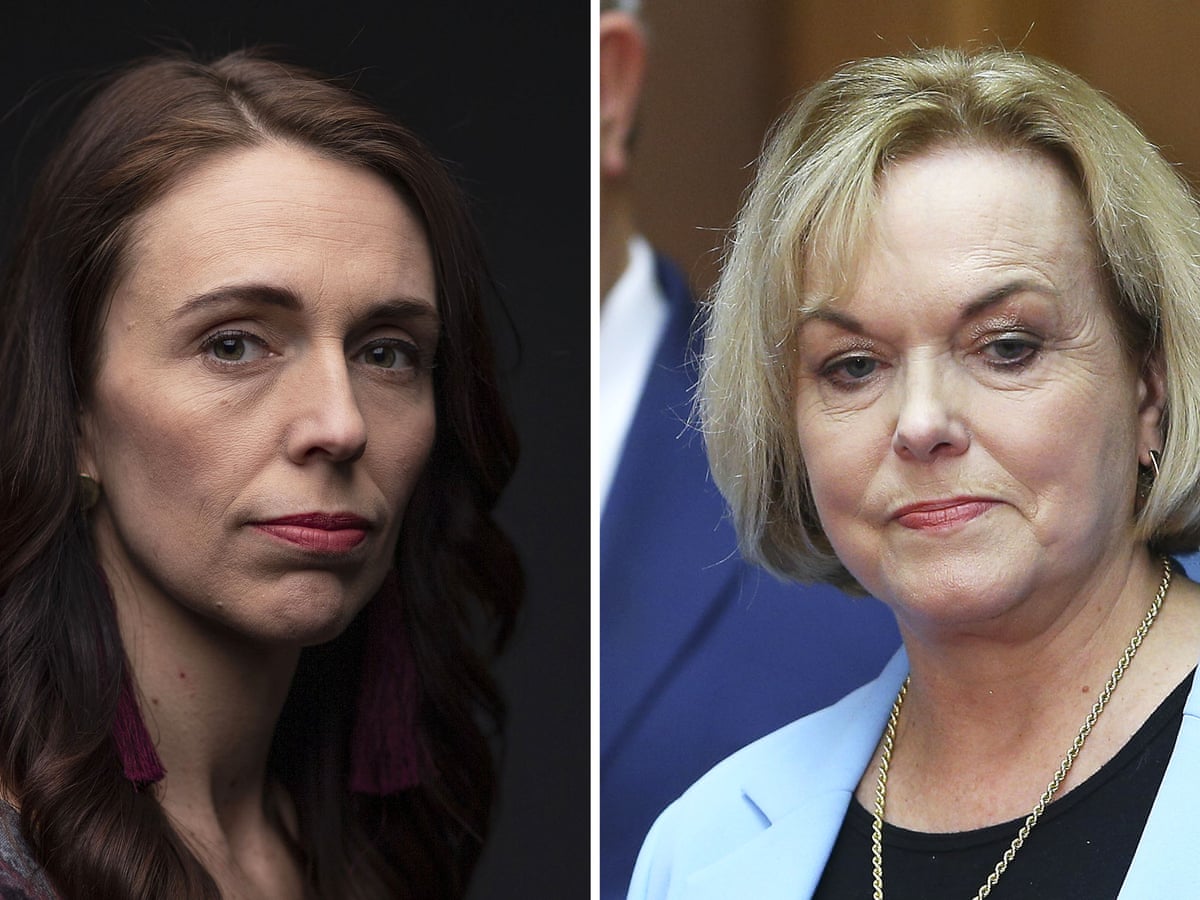
Prime Minister Jacinda Ardern on the left, National Party Leader Judith Collins on the right
Generally speaking, there are two "main" parties in New Zealand – national and Labour. From a thousand miles away, National vs. Labour would be compared to Democrats vs. Republicans.
National can be categorized as "pro-business' – Lowe taxes, fewer benefits. Labour can be known to people for having "socialist" policies – higher support for students, higher taxes for the rich, etc.
Therefore, if National wins, this would provide a push for the New Zealand dollar. Similarly, a possible push downwards if Labour wins.
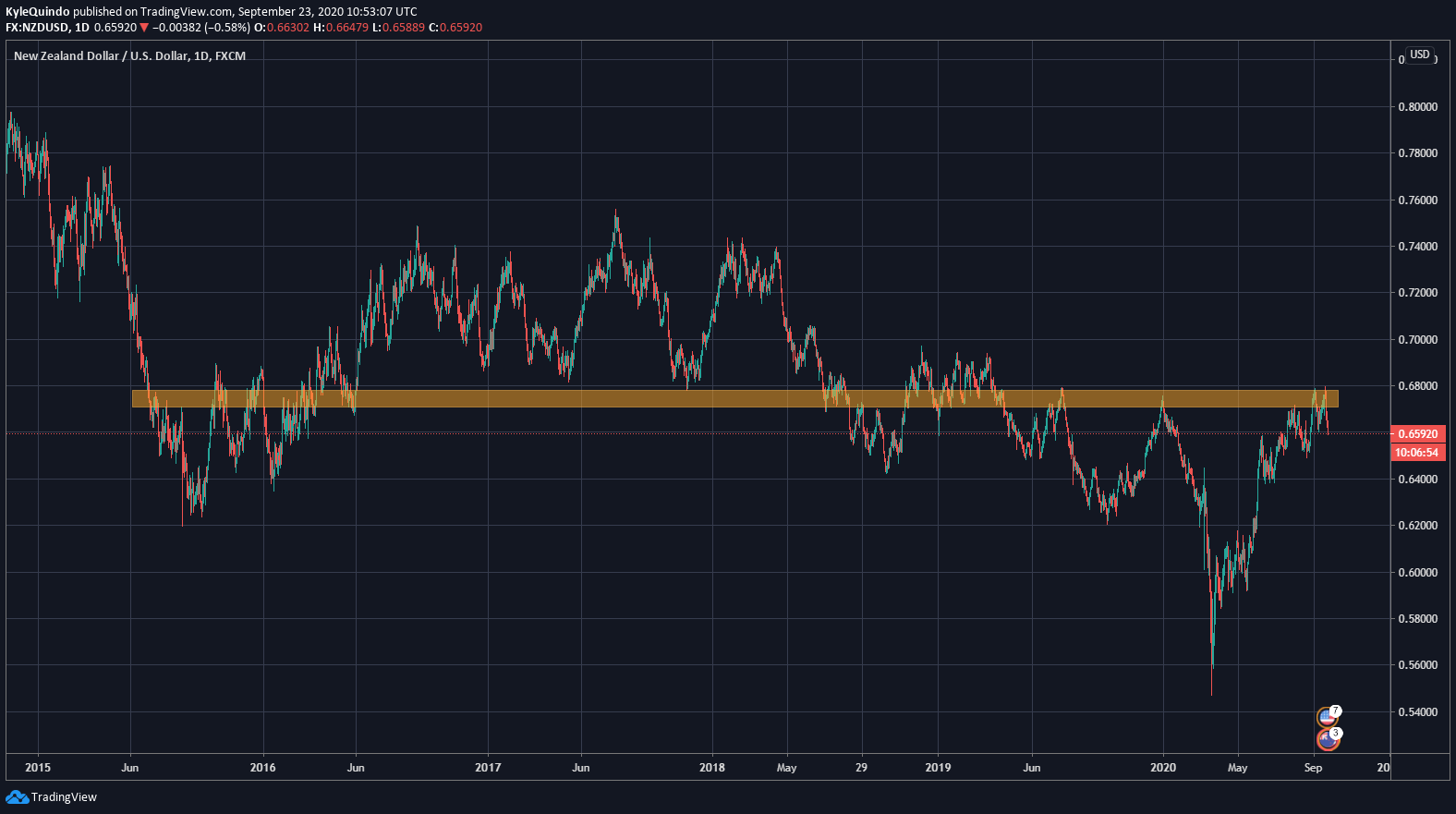
NZD/USD over 4 years
The New Zealand dollar is currently sitting around 0.65, firmly rejecting that 0.68 cent level forming a double top before firmly falling. We can see that 0.68 cent level has been a healthy historical support/resistance level since 2016.
Therefore the question becomes, who is poised to win the election?
An article in the Financial Times regarded New Zealanders for their "humility" and their "[tendency] to view the mass Euphoria that characterizes US political campaigning with suspicion," suggesting that New Zealanders tend to steer their eyes towards the center-left Labour party.
The party leader of the Labour Party, Prime Minister Jacinda Ardern, has been praised for her empathic response to the horrific Christchurch Shooting, which killed 51 Muslims, a deadly volcanic eruption on Whakaari Island, and her handling of the Coronavirus.
On the other side of the aisle, we have the National Party with Judith Collins at the helm. Judith has been struggling with the National party's misfunction's initial tailwinds, having switched leaders three times in the past year. Judith Collins has been struggling against the popularity of Ardern lately. Their attack on the economic damage of Labours' "go hard, go fast" approach to totally eliminate the virus has been met with fierce criticism due to the public being generally approving the policy. To date, there have only been 25 deaths regarding the virus.
As of the current polls, Labour is set to win with a wide margin. 1 News poll showed yesterday that Labour was on 48%, with National party on 31% - this could see Labour forming the first single-party government since 1996 – the year New Zealand moved from the First past the post system to MMP.
However, does it matter who wins in the long term?
In the United States, the difference between the constituents in Democrats and Republicans are quite polarizing. However, in New Zealand, the difference is not as great as that of the United States. Some even question whether National and Labour's policies are much different in the first place. If you look at their social media presence, they attach each other like what the other party is doing would destroy the country.
However, an article from the Spinoff, a news provider in New Zealand, summed up the politics between the two parties greatly – "How did we end up with two parties that are pretending to do things differently?" Hotelling's Law, created by Harold Hotelling in 1929, helps explain why this happens. In summary, both Labour and national policies end up near the middle, to appeal to the most voters, which is why they look very similar.
Therefore does it matter who gets into power if the policies are quite similar? In the long run, probably not. For New Zealanders? Again, probably not. But for the markets? Most likely, yes.
Author
Kyle Quindo
Blackbull Markets Limited
Kyle is a Research Analyst with BlackBull Markets in New Zealand. He writes articles on topical events and financial news, with a particular interest in commodities and long term investing.