Manufacturing PMIs eased in June in CEE

On the radar
-
On Friday, unemployment rate in Hungary landed at 4.3% in May while PPI index at -0.2% y/y in May. In Slovakia, producer prices declined by -11.2% y/y in May.
-
Inflation in Poland increased marginally to 2.6% y/y in June according to flash estimate while in Slovenia dropped to 1.5% y/y in June.
-
Retail sector expanded both in Croatia and Serbia in May (8.8% y/y and 6.4% y/y respectively) while industry contracted by -3.3% y/y and -2.2% y/y respectively.
-
Final reading of the April’s trade balance in Hungary arrived at EUR 1750 million.
-
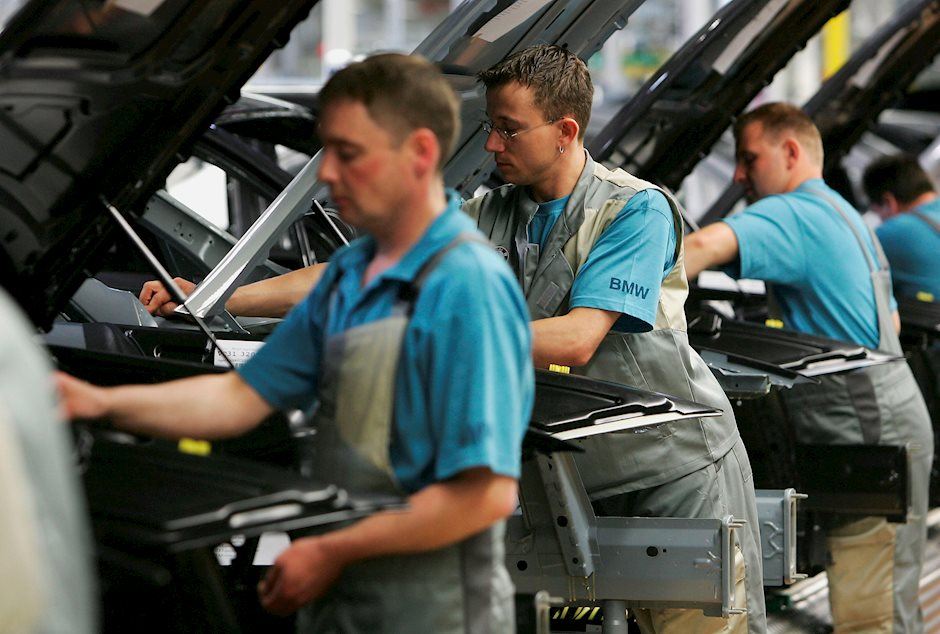
June’s PMI index eased to 50 in Romania. In Poland it remained flat at 45 in June, while in Czechia it went down to 45.3. In Hungary the PMI releases was delayed due to technical issue.
Economic developments
In Romania, PMI index eased to 50 in June, down from 52 in May. In Romania, output levels were down for the first time in three months and employment also decreased putting Romania’s PMI at the threshold value that separates expansion from recession range. In Czechia, manufacturing PMI dropped to 45.3 in June that is more than market expected. In Poland, manufacturing PMI index remained flat at 45. The sector contracted for the twenty-sixth successive month. According to the statement, sharp declines were indicated for production, new orders, exports, and employment. The development of PMI indicators in the region mirrors the flash estimates of the PMI indices in Eurozone that surprised unpleasantly. The composite indicator fell to 50.8 from 52.2 in May. Although the indicator remained within the expansion range, the decline indicates that growth momentum could have slowed down in June. The decline in the composite index was due to a further deterioration in the industrial sector. Moreover, the manufacturing index has been in the recession range for almost two years. In Germany, PMI indices showed similar development with the composite index easing to 50.6 in June and manufacturing declining to 43.4.
Market developments
Over last week the Czech koruna depreciated against the euro while the Hungarian forint and the Polish zloty have strengthened. We associate the weakening of the Czech koruna with the central bank’s decision to cut the key interest rate by 50 basis points. The decision was a surprise given the recent communication of the Board members and broad expectations for 25 basis points cut. This week, Poland and Romania will decide on the key interest rates. While in Poland we do not expect any change, Romania should begin to ease monetary conditions. The CEE bond market entered the summer season with very limited movement. Issuance is also expected to calm down in the next couple of months, as six CEE countries have already completed over 70% of their 2024 net issuance by the end of June. As for other news, Hungary takes over EU presidency as of July 1. On global markets, inflation in the Eurozone and snap elections in France should be in the focus.
Author
Erste Bank Research Team
Erste Bank
At Erste Group we greatly value transparency. Our Investor Relations team strives to provide comprehensive information with frequent updates to ensure that the details on these pages are always current.

















