|

Learning from history: Why stocks may be about to correct

An interesting Bloomberg piece has come out recently showing the relationship between rising commodity prices and stock market corrections. Here are the details:

  • The Bloomberg commodity index has risen 60% since April 2020.

  • At present this current period of commodity growth has been the fastest climb in more than 40 years. It is the 8th largest growth period since the Bloomberg Commodity Spot Index records began more than 60 years ago.
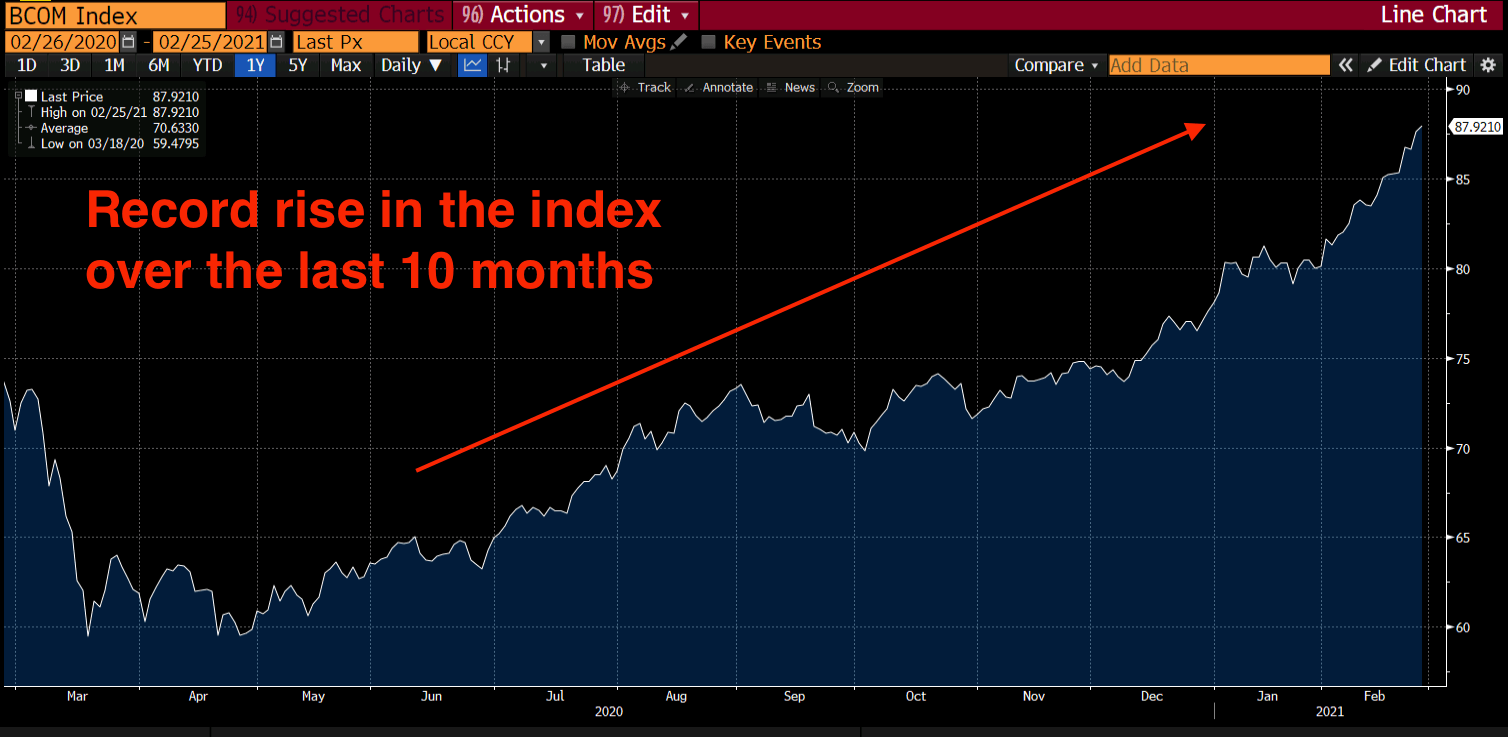
Index

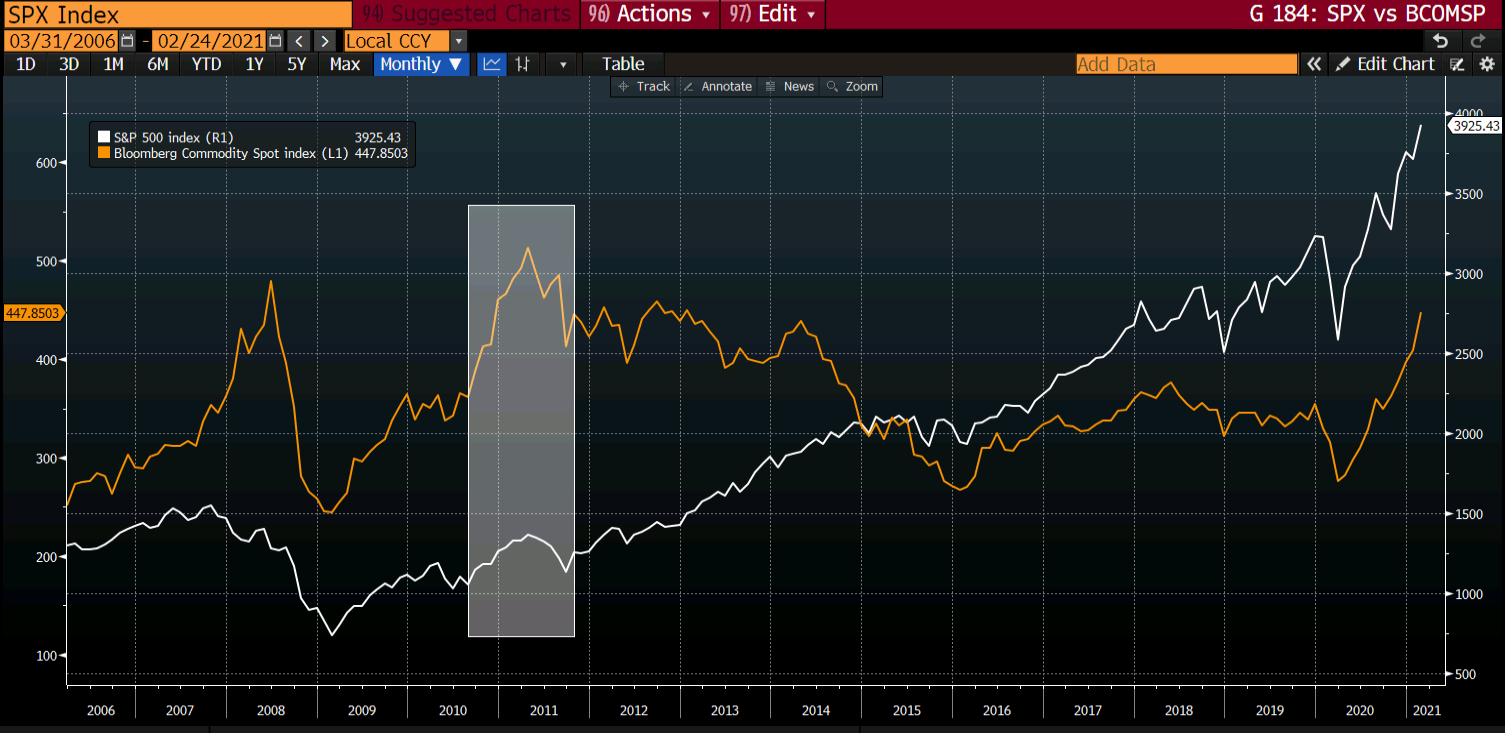
Note the following: In the top 10 months following record rises in commodity prices there tends to be a fall in the S&P500.

The record months are distributed as follows

  • 6 months are from 1973.

  • 2 months are from 1980.

  • The other months are from January 1974 and June 2008.

Taking these top 10 periods here is the average S&P500 performance after these strong rallies in commodities.

  • 1-month afterwards: -1.1% loss (9 out of 10 falls).

  • 3-month afterwards: -3.8% loss (7 out of 10 negative).

  • 6-month afterwards: -7.9% loss (7 out of 10 negative).

  • 12-months afterwards: -11.4% (8 out of 10 negative).

So, stock market bulls be warned. This is yet another signal that we could be close to a deeper stock market correction. Time to keep the powder dry? Certainly, it pays to keep a very close eye on developments. If commodities start dipping then expect the S&P500 to dip too.
SP

Learn more about HYCM


Author

Giles Coghlan LLB, Lth, MA

Giles is the chief market analyst for Financial Source. His goal is to help you find simple, high-conviction fundamental trade opportunities. He has regular media presentations being featured in National and International Press.


More from Giles Coghlan LLB, Lth, MA
Share:

Editor's Picks

EUR/USD: US Dollar to remain pressured until uncertainty fog dissipates

Unimpressive European Central Bank left monetary policy unchanged for the fifth consecutive meeting. The United States first-tier employment and inflation data is scheduled for the second week of February. EUR/USD battles to remain afloat above 1.1800, sellers moving to the sidelines.

GBP/USD reclaims 1.3600 and above

GBP/USD reverses two straight days of losses, surpassing the key 1.3600 yardstick on Friday. Cable’s rebound comes as the Greenback slips away from two-week highs in response to some profit-taking mood and speculation of Fed rate cuts. In addition, hawkish comments from the BoE’s Pill are also collaborating with the quid’s improvement.

Gold: Volatility persists in commodity space

After losing more than 8% to end the previous week, Gold remained under heavy selling pressure on Monday and dropped toward $4,400. Although XAU/USD staged a decisive rebound afterward, it failed to stabilize above $5,000. The US economic calendar will feature Nonfarm Payrolls and Consumer Price Index data for January, which could influence the market pricing of the Federal Reserve’s policy outlook and impact Gold’s performance.

Week ahead: US NFP and CPI data to shake Fed cut bets, Japan election looms

US NFP and CPI data awaited after Warsh’s nomination as Fed chief. Yen traders lock gaze on Sunday’s snap election. UK and Eurozone Q4 GDP data also on the agenda. China CPI and PPI could reveal more weakness in domestic demand.

Three scenarios for Japanese Yen ahead of snap election

The latest polls point to a dominant win for the ruling bloc at the upcoming Japanese snap election. The larger Sanae Takaichi’s mandate, the more investors fear faster implementation of tax cuts and spending plans. 

XRP rally extends as modest ETF inflows support recovery

Ripple is accelerating its recovery, trading above $1.36 at the time of writing on Friday, as investors adjust their positions following a turbulent week in the broader crypto market. The remittance token is up over 21% from its intraday low of $1.12.