Jobless claims decline for the 14th consecutive week
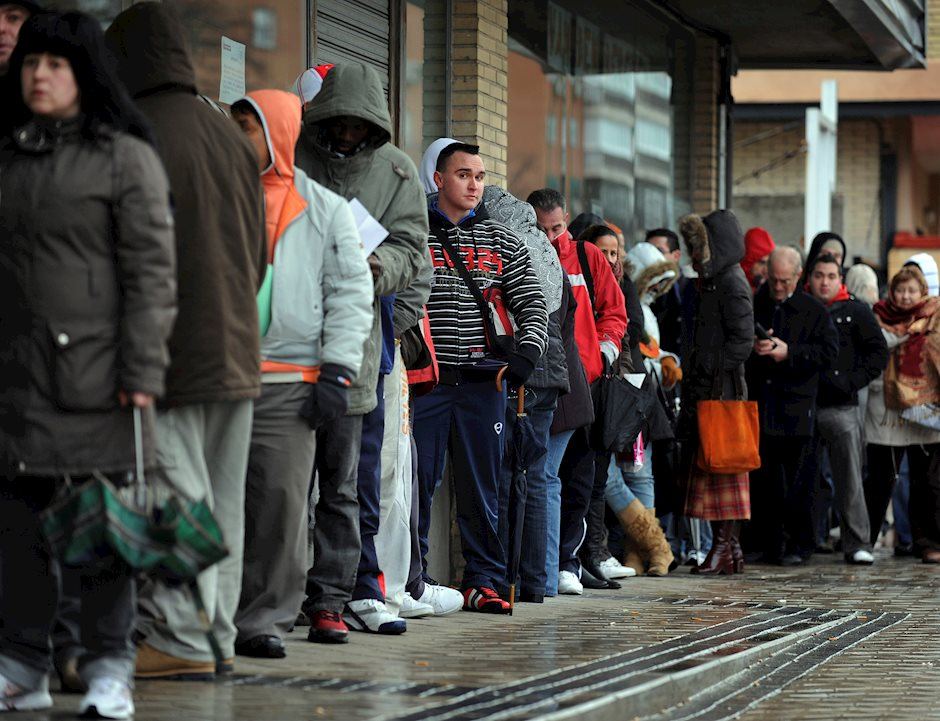

Weekly first-time unemployment claims fell slightly more than expected during the week ended July 4. Declines were even seen in states facing sharp rises in COVID-19 cases.
Labor market data continue to improve
Weekly first-time unemployment claims fell for the 14th consecutive week. Claims fell slightly more than the consensus estimate, but remain historically high at 1.314 million. For perspective, jobless claims had been consistently running at just over 200,000 per week at the start of the year. The economy was in another epoch, however, and reflected the strongest labor market in half a century. The lows in jobless claims are not a useful benchmark as to whether the labor markets has returned to normal. A normal level of claims in an economy this size is likely somewhere between 300,000 and 350,000— or about one million below the current level. In short, we still have quite a bit a way to go to get back to “normal.”
While full employment is a long way off, the labor market is clearly improving. The four-week moving average of jobless claims has fallen 570,750 over the past month. By comparison, the four-week moving average fell by 1,535,000 during the prior month, providing some indication of the moderating rate of improvement.
Continuing unemployment claims, or the number of people receiving unemployment insurance, also show consistent improvement. Continuing claims, which lag a week, fell nearly 700,000 in the week ended June 27. The prior week was also revised lower by more than half a million. The four-week moving average has fallen by 2,821,000 over the past month, compared to a 1,211,000 drop the prior month. The insured unemployment rate fell to just 12.4% at the end of June, which is a full percentage point below the average for the month as whole. The improvement in continuing claims and drop the insured unemployment rate suggest that we could see another solid employment report, when the July data are report on August 7.
The one component of weekly unemployment claims that worsened was claims for Pandemic Unemployment Assistance (PEUC), which rose by 42,063 to 1,038,905 claims. The PEUC program is thought to have inflated the weekly unemployment claims data, as individuals filed claims for the regular program (often repeatedly) before qualifying for the often more generous pandemic program. Eligibility for Pandemic Assistance includes independent contractors, or gig workers, many of which have seen their business eviscerated. California and North Carolina saw the largest gains in PEUC claims, with gains of 42,923 and 42,678, respectively.
The resurgence in COVID-19 cases throughout the Sunbelt has, so far, not resulted in higher state unemployment claims. Oklahoma (-40,208), Florida (-11,313), Maryland (-9,926), Georgia (-8,240) and California (-7,132) posted the largest weekly decline in jobless claims, on a non-seasonally adjusted basis. The advance claims for July 4 show continued drops in Florida, Georgia and California. Texas has seen claims turn higher, however, with officials citing layoffs in health care, transportation and leisure & hospitality.
Author
Wells Fargo Research Team
Wells Fargo