Forex: Is Beijing set to devalue the Yuan?

The Dollar has rebounded this week, and any higher-than-expected reading in today’s U.S. November core CPI could fuel further gains.
Here’s the scoop: virtually everyone in my circle sees a rate cut next week, but hold your horses—a CPI report flashing a “heat wave” could twist the Fed's arm into reshaping its 2025 guidance. The September dots laid a roadmap for a hefty 100 bps of cuts next year. However, today’s futures market is dialling it back, hinting at just 75 bps. A robust CPI print today the watch for the Fed to possibly erase two of those projected cuts in their upcoming Summary of Economic Projections. You probably don’t want to be short-dollars if that happens.
Meanwhile, Euro traders are gearing up for tomorrow's key event—the ECB decision. The market consensus leans towards a 25 basis point rate cut by the ECB, a move I see happening. Yet, any particularly dovish tone from President Lagarde during the press conference could pressure the euro further. Still, I’m not looking for a low 1.04 handle as rate differentials heavily favour the dollar right now, but pushing this gap wider might require a hawkish shift in Federal Reserve expectations. In other words, I think a dovish ECB lean is in the price.
Despite a typical seasonal uptrend, EUR/USD remains boxed this month. Since January and February are usually bearish for EUR/USD, and as we approach the last two weeks of the year, any bounce in the euro could still be met with selling. But remember, market liquidity will drop big after the FOMC,
Arguably, it feels like EURUSD traders are just going through the motions, pushing boundaries but not committing fully. It’s the holiday season, after all.
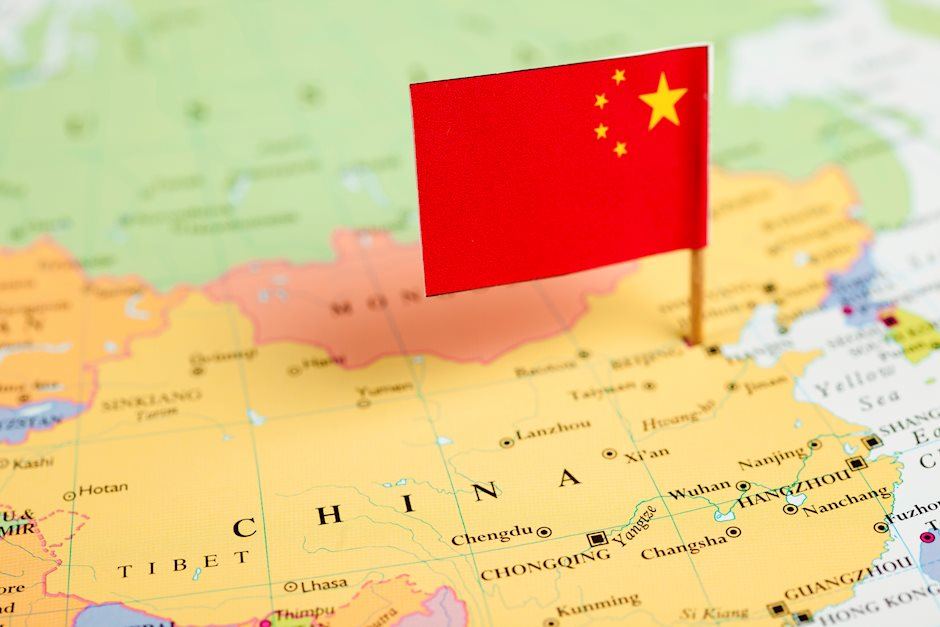
Financial districts are buzzing with the notion that Beijing might let the yuan weaken next year. While this isn’t overly surprising, it is still stirring concerns: Is it a sign that the anticipated fiscal stimulus might fall flat? If so, USDCNH could hit 7.60 +, a scenario we've suggested hedging against during this week’s CNH rally.
Today's cautious market response in China suggests that investors are skeptical about the government's commitment to substantial, direct financial interventions—essentially the 'helicopter money' that many believe is necessary to invigorate the economy.
As we edge closer to the 'America First' inauguration day, the chorus calling for a yuan devaluation might grow louder, signalling increasing market anticipation of significant shifts in U.S. trade policy. This crescendo of concerns could set the stage for a more pronounced move in the dollar as stakeholders adjust to the expected trade barrier directives from the new administration.
Author
Stephen Innes
SPI Asset Management
With more than 25 years of experience, Stephen has a deep-seated knowledge of G10 and Asian currency markets as well as precious metal and oil markets.