FOMC Minutes Preview: More hawkishness or the beginning of a Powell Put?
- The minutes from Yellen's last decision as Fed Chair may provide more insights about the subtle hawkish changes that were made.
- The document is redacted until the last moment and may reflect a more conciliatory tone to markets.
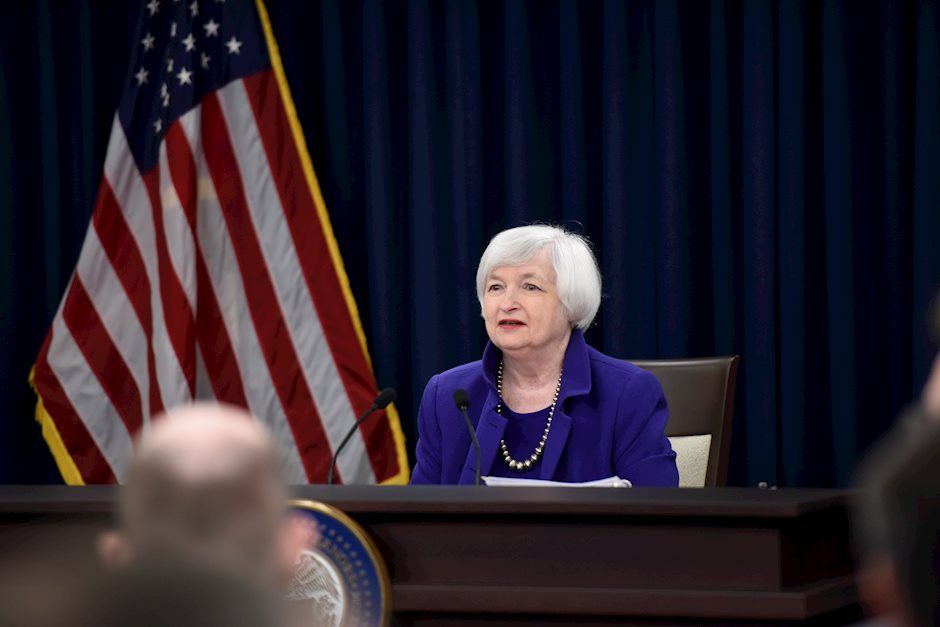

The Federal Open Markets Committee (FOMC) publishes the Meeting Minutes document on Wednesday, February 21st, at 19:00 GMT. These are minutes from the January 31st meeting which was the last one presided by former Fed Chair Janet Yellen.
The Fed decided to leave the interest rate unchanged, and the meeting did not consist of new forecasts, nor a press conference. However, the accompanying statement saw too subtle hawkish changes:
- They stated that inflation is expected to move up this year, removing the language saying that it is expected to remain below 2%.
- A mention of further gradual increases in the Federal Funds Rate. The word "further was added.
The statement was unanimously approved for by the new voting composition of the FOMC for 2018 that included Yellen for the last time.
The Fed minutes are still relevant
This is a long document from a meeting that did not see changes in policy and was led by the former head of the organization and is three weeks old. Since then, we learned that wages and inflation are rising at a faster pace and that Congress approved a massive spending bill. So why is the document relevant?
The FOMC Meeting Minutes release is not a raw transcription of the discussion held at the Eccles Building. The document is edited until the very last moment, and the Fed is fully aware of its market implications.
So, the Fed can use the publication to send a message to the markets. What is that message?
Hawkish vs. dovish scenario
They may emphasize the hawkish tones, given the upbeat inflation and wage inflation data. This would serve as yet another preparation for the expected rate hike in March and further hikes later on. The chances of four raises in 2018 have risen. Markets have calmed down once again, so a hawkish message could pass more easily.
In this, more hawkish scenario, stocks would suffer while the US dollar may gain more ground.
On the other hand, the current calm in the market may be temporary. Implied volatility is not what it used to be, and markets remain sensitive. An upwards move in markets does not imply calm, but just volatility to the other side. So, they could give a message of calm, putting the emphasis on the gradual nature of rate rises, the cautious approach, and other soothing words. This may be the beginning of the Powell Put.
In this scenario, stocks would enjoy tailwind, and the US dollar may slide.
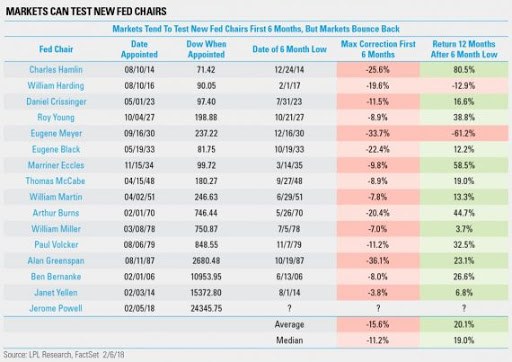
In the past, stock markets have made an unwelcome greeting to new Chairs of the Fed before appreciating afterward. The latter part that of stock rises was accompanied by accommodative monetary policy. A "Powell Put" may just be an incarnation of the original Greenspan Put.
The chart below, compiled by LPL Financial Research, shows the adverse reaction to new people at the helm, with a positive turnaround in almost all cases.
Which path will the Fed choose in this decision? It is hard to tell.
Jerome Powell served on the Federal Reserve Board of Governors since 2012 and never strayed from the majority. His few public appearances that did touch on monetary policy were in line with that of the Fed Chair, Bernanke at first and Yellen afterward. In addition, he is not an economist and has recently hired two specialists as senior advisers.
Markets are not pricing in any particular outcome and in many cases, the meeting minutes do not generate any significant moves. However, markets are more sensitive now, and the level of uncertainty around Powell is quite high. He will testify on Capitol Hill one week after the minutes are released, but markets are likely to jump on any hints they can obtain.
Author
Yohay Elam
FXStreet
Yohay is in Forex since 2008 when he founded Forex Crunch, a blog crafted in his free time that turned into a fully-fledged currency website later sold to Finixio.