Fed preview: Trade uncertainty to 'keep doves at bay'

During recent communications, a number of FOMC members have noted that greater trade restrictions could slow the disinflation process, but this does not appear to be an opinion that is universally shared among committee members. At any rate, we suspect that policymakers will wish to hear more from Trump before they decide on the extent of additional cuts.
With the above in mind, there appears to be almost zero chance of another rate reduction at Wednesday’s meeting, particularly given there will be no dot plot or updated economic projections this week.
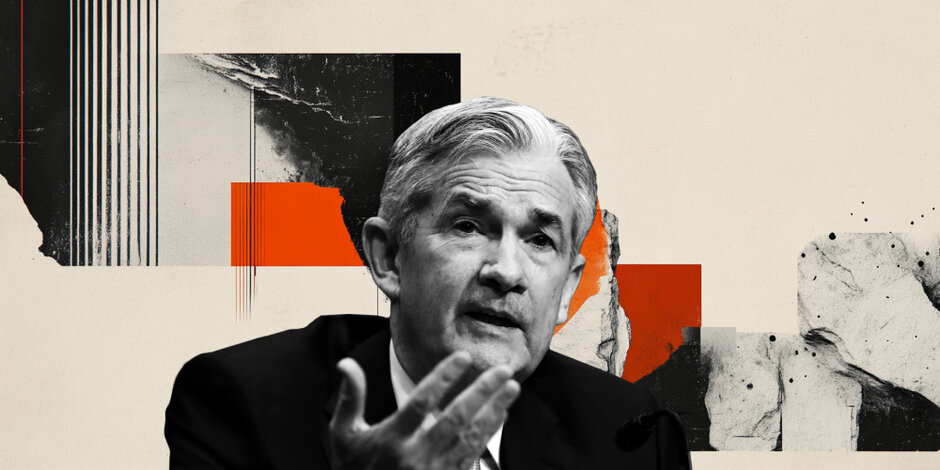
All attention will be on Chair Powell’s communications. We expect the tone of his remarks to remain hawkish. He is likely to once again stress that the US economy is performing well and continues to expand at a solid pace. Powell should also say that the labour market is close to full employment, and that inflation continues on its path towards the central bank’s 2% target level.
On the impact of trade restrictions, we think that Powell will refrain from providing much in the way of specificity, given the high degree of uncertainty surrounding Trump’s tariff proposals. He may say that greater protectionism risks inflation staying higher for longer, and could lead to weaker US growth.
Yet, we don’t think that these risks will encourage Powell to signal a deviation in the policy path from that outlined in December, which we still think will be the Fed’s baseline scenario. Ultimately, we think that Powell will make clear to markets that additional cuts are on the way, albeit that there is no rush for further rate reductions.
At the time of writing, futures markets are not fully pricing in the next Fed cut until the bank’s June meeting, with a reasonable chance of one as early as May.
Any comments from Powell that play down the inflationary risks from greater trade restrictions could be seen as a dovish signal, and may trigger fresh downside in the dollar.
Yet, we could see some dollar strength should Powell place a heavy emphasis on the recent resilience in economic activity and the labour market. We see the latter as the more likely scenario, and we go into the meeting seeing risks to the greenback as moderately skewed to the upside.
Author
Matthew Ryan, CFA
Ebury
Matthew is Global Head of Market Strategy at FX specialist Ebury, where he has been part of the strategy team since 2014. He provides fundamental FX analysis for a wide range of G10 and emerging market currencies.