Fed has no choice but to dance to Trump’s tune
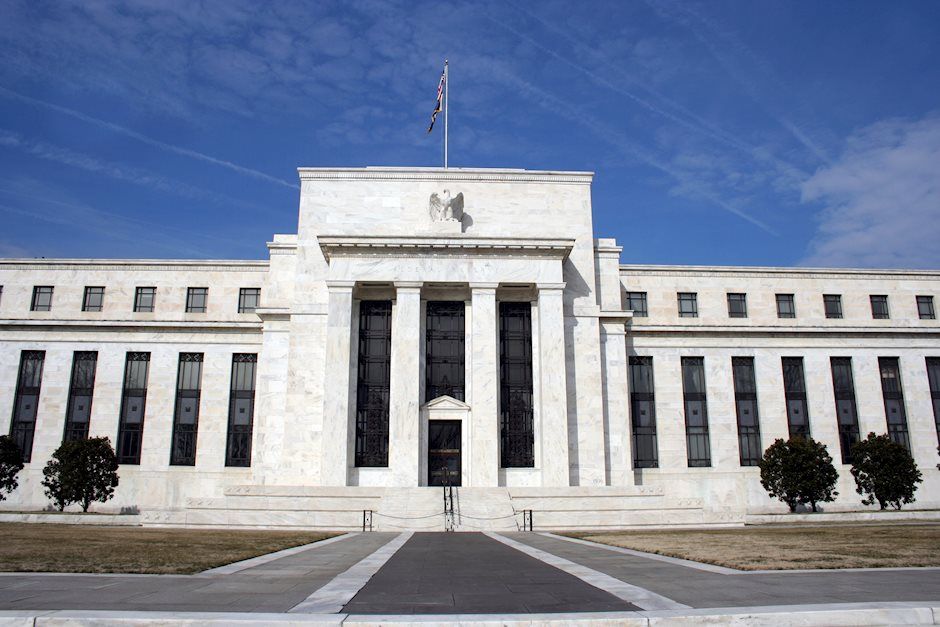

The Federal Reserve (Fed) delivered the second rate cut of the year yesterday. Chair Jerome Powell said that the Fed doesn’t rule ‘out or in’ a rate cut in December, that the US economy is expanding solidly, that conditions in the labour market eased but the unemployment rate remains low, that inflation ‘made progress’ but not a ‘further progress’ – just progress – toward the committee’s 2% objective but remains elevated’, that the Trump policies won’t have an immediate impact on the US fundamentals as they don’t know how much time it will take the new Trump administration to implement them, and that he wouldn’t step down if Trump asked him to do so.
But the Fed has no choice but to dance to Trump’s tune, whether it likes it or not. That reality comes with the risk of higher-than-otherwise inflation and deserves careful attention.
For now, the probability of another 25bp cut in December is given 71% in the immediate aftermath of the US election and the Fed cut. The US 2-year yield retreated yesterday, following a Trump-led spike earlier this week. The 10-year yield also eased from an earlier spike to 4.33%. If US inflation doesn’t ease enough, and if the US economy remains robust and labour market remains in a good shape, the bond vigilantes, who think that the Fed is cutting too fast by too much, will send the yields higher. There are rumours of a potential spike in the 10-year yield to 5%. The latter would destroy the impact of rate cuts and weigh on sentiment.
Investors on a rosy cloud
The week saw the nest possible combination for US equity bulls. Trump has just won the presidential election and the Fed lowered the interest rates. The S&P500 hit another record high, as did Nasdaq 100, as did the Dow Jones. The rally in the small caps slowed on rising worries about the small companies’ ability to carry the burden of higher yields on their shoulders, but the mid caps could be an alternative for those who think that the prospects of higher yields on Trump makes the big caps look expensive at the current valuations.
Elsewhere
The US dollar bounced lower yesterday, as the Fed’s rate cut gave a good reason to the market to correct and consolidate the latest gains. The EURUSD rebounded but the upside remained capped near the 1.08 resistance, and Cable strengthened to flirt with the 1.30 on the back of a hawkish rate cut from the Bank of England (BoE), but gains were challenged by strong offers near the 1.30 psychological resistance.
This being said, the BoE is right to adopt a less dovish outlook given that the UK’s new budget – with extra spending to boost growth – will also boost inflation by half a percentage point according to the BoE. As such, Bailey – who had turned aggressive on rate cuts – didn’t remain long at that party. The BoE is now expected to keep lowering rates ‘gradually’. And that shift from ‘aggressive’ to ‘gradually’ easing outlook is supportive of the pound if of course the growth outlook doesn’t deteriorate significantly. Mid-1.30s look a reasonable target for the sterling bulls if the Fed insists on staying where it stands today.
But as Baily emphasized, the world has become a place with ‘very big geopolitical shocks’ and there are ‘very big uncertainties in the world economy and the world at large’. The latter should continue to help gold to defend its place in portfolios. The yellow metal saw support at the 50-DMA yesterday and should continue to be supported by haven flows and sustained central bank buying as a response, or preparation, to the new Trump era.
Over in China, the wait is long for investors who just want to see the Chinese authorities put a number on the amount of fiscal stimulus it will deploy to counter the Trump shock.
In energy, US crude was better bid this week, as news that OPEC would delay the production restrictions by at least a month and rumours that tensions in the Middle East could revive anytime were topped by the ‘hope’ that Trump would abandon the alternative energy plans altogether and put all of his weight behind the traditional energy sources. Presently, the barrel of US crude is testing the major 38.2% Fibonacci resistance on the summer selloff, near $72.85pb. A sustainable rise above this level requires encouraging fiscal boost from China. If not, the price rallies will remain interesting opportunities to sell the tops and keep the price of barrel close to the $70pb level.
Author
Ipek Ozkardeskaya
Swissquote Bank Ltd
Ipek Ozkardeskaya began her financial career in 2010 in the structured products desk of the Swiss Banque Cantonale Vaudoise. She worked in HSBC Private Bank in Geneva in relation to high and ultra-high-net-worth clients.