Explainer: Three drivers for dollar domination, where things stand and what could change
- Fed determination to cause pain raises the bar for any relenting of dollar strength.
- Europe's energy crisis, like Russia's war, is unlikely to change soon despite EU efforts.
- China's twin covid-zero and property crises may improve if one man decides.
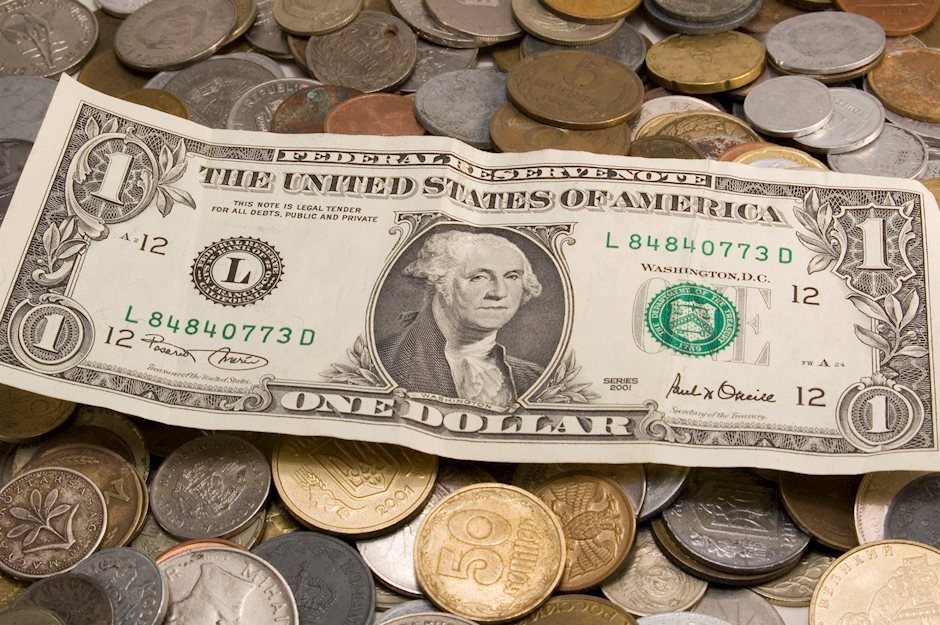

King Dollar dominates – and there are three reasons for that. While forex trading is never a one-way street, further gains for the greenback are likely – occasionally staying overbought for longer such as in USD/JPY. The main reason is the Federal Reserve's determination to fight inflation, but Europe's energy crisis also weighs on global growth, and so are China's twin crises.
Let's dive into each factor and see when it could change:
Pain from the Fed
Chair Jerome Powell clarified that his resolve to bring inflation down and prevent it from becoming entrenched is unrelenting, and he even prepared the public for "pain." That means that small signs of inflation that could fall in the future are insufficient to convince the bank nor stop the dollar.
What is going on? The Fed is on course to raise rates by 75 bps in September – the third consecutive triple-dose hike – and pledges to do whatever it takes. As a result, short-term upside pressure on the dollar is set to continue.
How could this change? Investors want to see the Core Consumer Price Index (Core CPI) fall significantly from the 6% YoY area or to see economic pain in other indicators such as jobs. As long as employers continue hiring rapidly, the Fed is unlikely to pause.
Europe's energy crisis
Russia's Gazprom has been limiting natural gas supplies to Western Europe as part of President Putin's battle for Ukraine. The war is currently in a stalemate and soldiers are facing a harsh winter on the frontline. European consumers may suffer cold showers, while parts of German industry may be forced to halt production as well. The crisis weighs on the euro and also boosts the safe-haven dollar across the board.
What is going on? European leaders are scrambling to lower energy prices or support families in need. They are also trying to work on coordinated responses to strengthen the union and invest in long-term solutions. Renewable energy is good for the planet and independent of external resources. Yet while they provide security, renewables do not provide short-term solutions to sky-high prices. Europe is heading into a recession.
What would make it change? With time, more Liquefied Natural Gas (LNG) facilities will come online, as will solar panels and wind turbines. Yet a short-term relief would only come if there is a diplomatic solution to the war that would allow fresh gas flows to Europe. That seems unlikely now.
China's twin crises
Beijing insists on its outdated zero-covid policy, reacting to any cluster of coronavirus cases with draconian lockdowns. In the Chengdu region, people trying to escape floods found locked doors in their housing complexes. Restrictions in other cities have depressed demand, hurting the global economy.
The second crisis is in the housing sector. Authorities are keen on letting property developers that have taken unnecessary risks to falter, causing some mortgage payers to "strike." More importantly, potential buyers are on the sidelines, hurting the construction sector and once again, global growth.
What is going on? Chinese President Xi Jinping awaits the Party Congress on October 16, when he is set to be elected for a third term, moving away from the tradition of only two terms. Nothing is expected to change until then. China is set to remain a factor boosting demand for the safe-haven dollar.
What would make it change? With a fresh mandate, he might shift away from these policies – loosening the zero-covid policies and perhaps announcing an economic stimulus program. That would lift investor optimism and depress demand for the dollar – or at least trigger a correction.
Final thoughts
To stop the dollar's advance, the safest bet is likely to be China. The crises are homegrown and could change but the decision rests on one man. While change is easier in China, the impact of stimulus would be smaller than a policy shift from the Fed. However, the US economy is doing well and a "pivot" from Washington has yet to come.
Europe's energy crunch is probably the worst issue and most unlikely to improve anytime soon. The fact that Russia is buying arms from North Korea does not imply despair, only ongoing hostilities.
Premium
You have reached your limit of 3 free articles for this month.
Start your subscription and get access to all our original articles.
Author
Yohay Elam
FXStreet
Yohay is in Forex since 2008 when he founded Forex Crunch, a blog crafted in his free time that turned into a fully-fledged currency website later sold to Finixio.

















