EUR/USD set for a limited rise on Fed dovishness, could prove a selling opportunity
- EUR/USD is set to bounce if the Fed fails to meet hawkish market expectations.
- Monetary policy divergence implies a resumption of the downtrend when the dust settles.
- The pair could make a more substantial upward move later in the year.

We have received a question from a user asking: assuming the Fed disappoints the market by fewer rate hikes than is priced in and the ECB remains dovish, is this enough to turn EUR/USD into an uptrend or it will just have a short term dollar weakness?
*Note: This content first appeared as an answer to a Premium user. Sign up and get unfettered access to our analysts and exclusive content.
The short answer is short-term dollar weakness. The Fed is still more hawkish than the ECB and that should prevail through March and potentially until mid-year when the greenback could begin a long-term downtrend.
Fed pricing
Markets have probably gone too far in pricing the Federal Reserve's moves. They seem to be listening more to the hawks on the Fed's board and less to the person at the top: Chair Jerome Powell. Bond markets are currently pricing in a rate hike in March – probably true, but not fully guaranteed – and four rate hikes in 2022.
Moreover, the recent sell-off in bonds is also pointing to concerns that the Fed would end tapering of its bond-buying scheme already now and later begin actively selling bonds. This Quantitative Tightening (QT) is basically withdrawing dollars from markets – the opposite of printing them.
Even if investors are right, they probably went too far for now, and a more dovish message from Powell in January could weaken the dollar. By refraining from ending bond-buying immediately, expressing concern on some data – and most importantly refusing to commit to any policy, the dollar could weaken.
However, that would probably be short-lived, as signs of high US inflation, a strong labor market and hawkish comments from the Fed later on – including from Powell himself – would raise speculation for tighter policy and boost the dollar.
The euro and what's next
EUR/USD long-term downtrend fully intact:
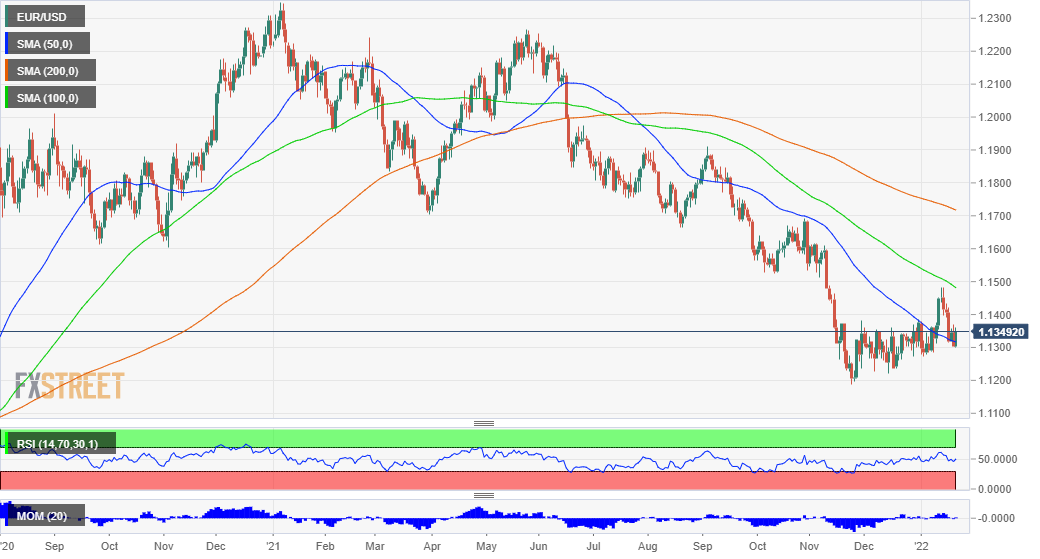
At the same time, there seems to be a low chance that the ECB moves toward hinting at tougher policy. On the contrary, members are reiterating they do not intend to raise rates in 2022. Core inflation in the eurozone is half of that in the US, and the impact of covid is more substantial. That puts the euro in a weak spot in comparison to the dollar, and also against other currencies.
When can that change? Once the Fed begins acting instead of talking. When the Fed finally raises rates, probably in March, it will also provide guidance about the next moves. If it is hawkish, the dollar could extend its gains, but by June, the tighter policy would be priced in and inflation would likely fall – raising speculation of somewhat looser monetary policy.
All in all, EUR/USD will likely bounce on the January 26 meeting but then return to being under pressure.
Premium
You have reached your limit of 3 free articles for this month.
Start your subscription and get access to all our original articles.
Author
Yohay Elam
FXStreet
Yohay is in Forex since 2008 when he founded Forex Crunch, a blog crafted in his free time that turned into a fully-fledged currency website later sold to Finixio.
















