ECB Analysis: Three dovish moves weigh heavily on the euro, levels to watch
- The European Central Bank has left its policy unchanged, refraining from a quick end to bond buys.
- Sequencing has remained unchanged – no rate hike before ending QE.
- Stressing uncertainty and flexibility also signals reluctance to fight against inflation.
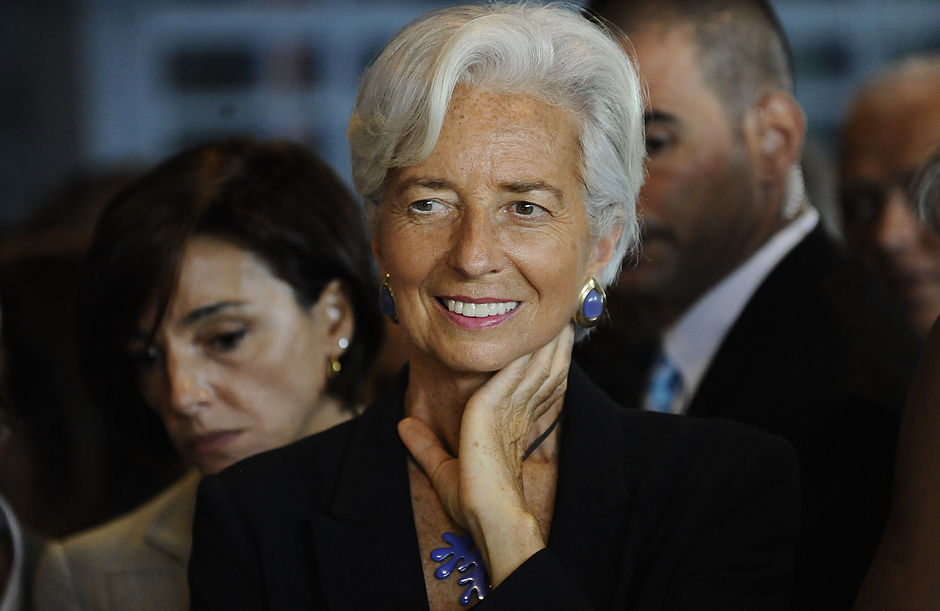

Price pressures have intensified – and that is where the European Central Bank's hawkishness ends. All the rest is dovish, and that is why the euro is under pressure in response to this decision. There may be more to come.
Here are three dovish developments:
1) No pressure to act against inflation
The ECB targets 2% annual headline inflation, yet this measure has hit 7.5% in the latest read. Nevertheless, according to ECB President Christine Lagarde, Core CPI is only at around 3% and wage growth is muted.
The bond-buying scheme is set to end only in the third quarter. While Lagarde opens the door to ending it already in July, a conclusion in September is also an option. Details may come in the next meeting in June, but the ECB seems to be in no rush to stop printing bonds.
Inflation may be a pain – but so are widening spreads between German and Italian bonds.
2) No pressure to raise rates
If the ECB were determined to fight inflation, it would at least say that rates could rise immediately after QE ends. The Fed bought its last bonds in March and hiked borrowing costs in the same month. For the ECB, it would "take some time" and that opinion seems to be acceptable for the hawks.
The Frankfurt-based instition is far behind the Fed – and most central banks except Japan – in its path of raising rates. No acceleration for now.
3) Stress on uncertainty
Lagarde said that both downside and upside risks have widened, one of her many ways to say that uncertainty is extreme. She cited Russia's war in Ukraine over and over, as the main reason.
Moreover, the word "flexibility has been printed over and over in the statement. Lagarde stressed "gradualism." When central banks are unsure of what to do, they sit on their hands – a "wait and see" mode. That is even stronger in the eurozone, where consensus building is the name of the game.
Without joining the race to raise rates, the ECB is behind other central banks – and the euro is behind others.
EUR/USD levels
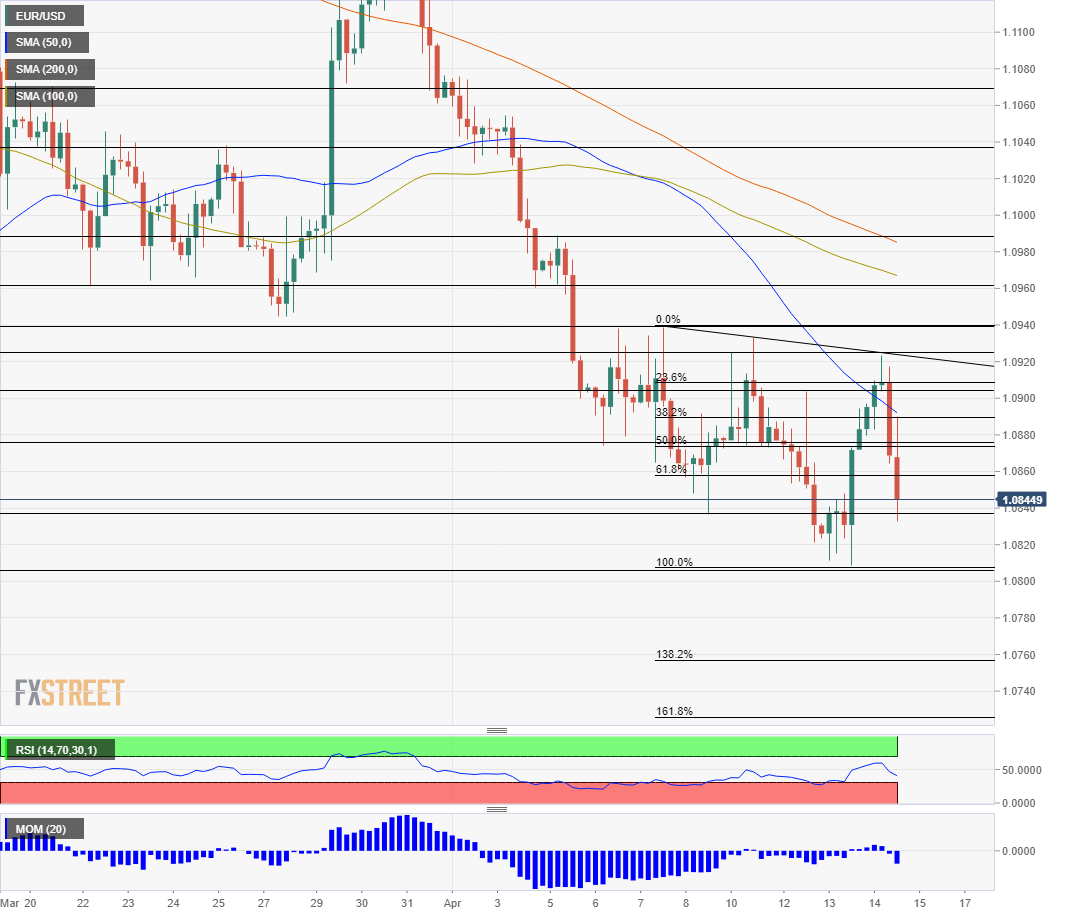
EUR/USD has already dropped below support at 1.0875 and is tackling 1.0840 at the time of writing. If 10840, a swing low from last week is broken, the next cushion is only the 2022 trough of 1.0805.
Below that point, 1.0760 and 1.0725 come into play. These are the 138.2% and 161.2% Fibonacci extensions the recent 1.0805 to 1.0940 range.
Resistance is at 1.0875 and 1.09.
Premium
You have reached your limit of 3 free articles for this month.
Start your subscription and get access to all our original articles.
Author
Yohay Elam
FXStreet
Yohay is in Forex since 2008 when he founded Forex Crunch, a blog crafted in his free time that turned into a fully-fledged currency website later sold to Finixio.