Does the Fed have the backbone to go big?
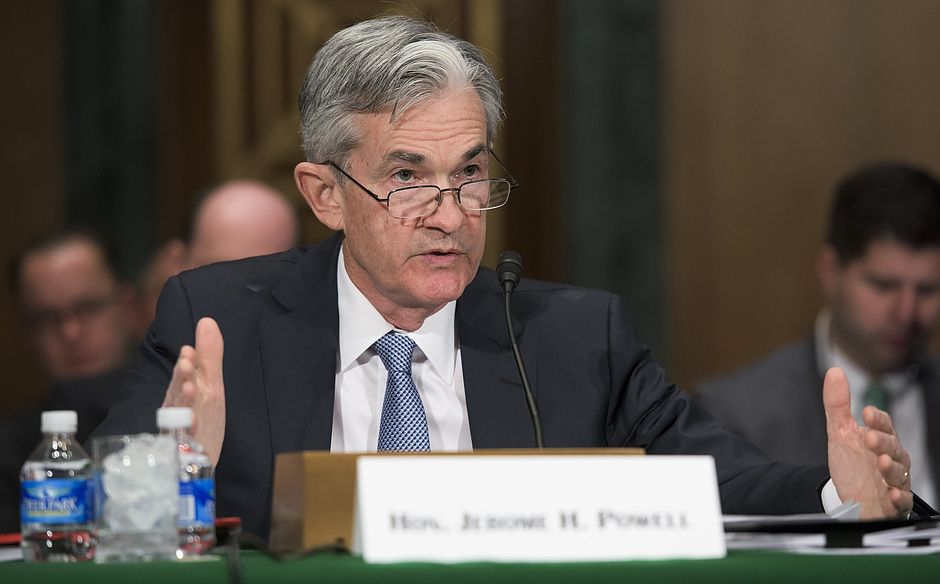

U.S. stocks wilted on Thursday as the countdown to the week’s main event—a potential comeuppance from Federal Reserve Chair Jerome Powell at Jackson Hole—tick-tocked closer. The S&P 500 lost 0.9%, marking its worst day in over two weeks, while the Dow Jones dipped 0.4%, and the Nasdaq stumbled, dropping 1.7%. Treasury yields cranked up the heat after some mixed PMI data hit the tape, but let’s be honest: relying on soft data these days, with all the constant revisions on hard data, is like trying to solve a puzzle after someone’s already switched out half the pieces.
Investors are banking on a steep 1% in rate cuts by the time they’re hanging up their holiday stockings, but today, they’re left wondering: Does Chair Powell have the backbone to go big with preemptive rate cuts to dodge a downturn?
Let’s not forget how changable this game really is. Anything can happen between now and December. The Fed funds futures market is already back to fully pricing in four cuts by year-end, which suggests that at least one of the next three meetings might bring a 50-basis-point ease. Powell’s upcoming speech could be the moment where he tips his hand on whether the Fed is ready to go big in Q4, but the real test will be the upcoming NFP report.
Since July, it's been increasingly clear that the case for a rate cut has been getting stronger with every data drop. The latest big revision to payrolls was the cherry on top. Honestly, it's starting to look like the data had been screaming for a big cut all along; we just needed someone to hit the unmute button.
The slow creep in unemployment isn’t something you can just brush off. Pretending everything’s fine is like ignoring a small leak on a sinking ship—it will only get worse. When the labour market starts slipping in the wrong direction, it doesn’t just lose its footing—it snowballs into a full-on avalanche. That’s the signature move of US recessions—the jobs market doesn’t merely stumble; it takes a nosedive, and when it does, it’s fast and brutal.
We’re about to get a reality check with the upcoming NFP, which will give us a solid clue on whether the Fed might pull the trigger on a 1% cut through the rest of 2024. The stakes couldn’t be higher—everything from the depth of Fed cuts to the actual resilience of the US economy could collide in a classic “knolwedge is not without peril ” moment. It’s like waiting for a slow-motion train wreck—you know it’s coming, but you just can’t look away.
They say the Fed takes the stairs up and the elevator down in an interest rate cycle: slow, steady rate hikes, followed by a quick drop when the economy wobbles. But this time, the Fed flipped the script.
From March 2022 to July 2023, rate hikes came at us fast and furious, like someone had slammed the express “elevator up” button in response to runaway inflation. But now that it’s time to unwind those hikes? The Fed might just take the scenic route down the stairs, gingerly easing rates while keeping a cautious eye on inflation, with no rush to reach the bottom. But here's the twist—if they move too slowly, it’s not rates but stocks that could take the express elevator down.
Author
Stephen Innes
SPI Asset Management
With more than 25 years of experience, Stephen has a deep-seated knowledge of G10 and Asian currency markets as well as precious metal and oil markets.