Chairman Powell in Congress: Back to basics
-
Powell praises the achievements of the US economy.
-
The impact of the corona virus in China will be felt globally.
-
Says that current US rate policy will likely remain appropriate.
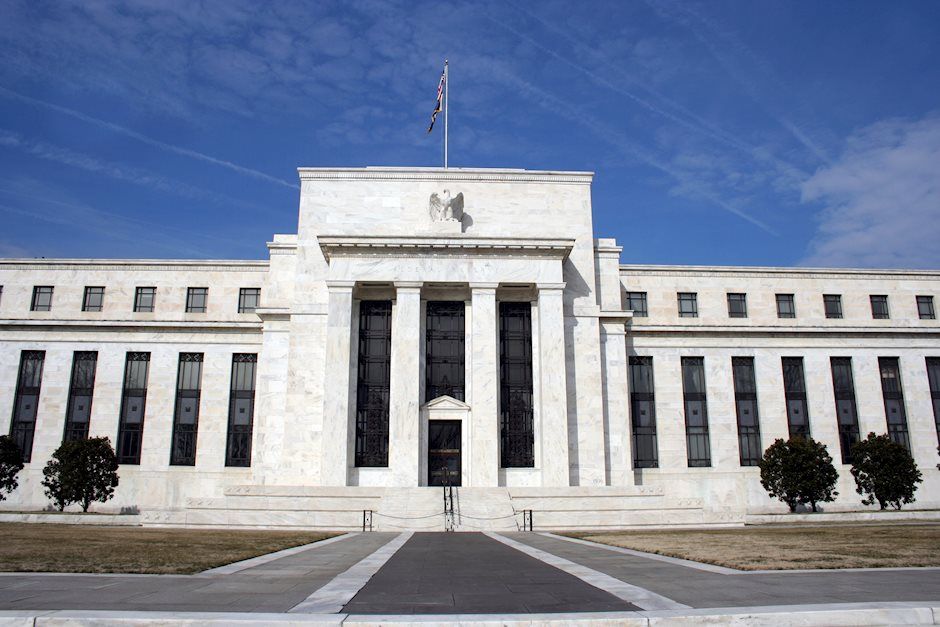

In a comparatively low-key appearance before Congress Chairman Powell praised the success of the US economy, said that it was too early to know the economic effects of the corona virus and responded to many questions on the more recondite aspects of Federal Reserve policy and regulation.
Mr. Powell was in front of the House Financial Services Committee for three hours in his semiannual annual monetary policy testimony. He will present to the Senate Banking, Housing and Urban Affairs Committee tomorrow at 10:00 am EST.
In fielding questions from the Representatives Mr. Powell noted that “We find the US economy in a very good place…wages [are] moving up most at the bottom end of the wage scale…it’s great to see.” “We have learned that unemployment can be lower than many had thought without increasing inflation.”
Mr. Powell said he did not think that markets are at risk of recession. “There is no reason why the expansion can’t continue. There is nothing about this expansion that is unstable or unstainable.”
Trade concerns, in the Fed’s view, have diminished. “The signing and implementation of the USMCA agreement will be a positive for the economy, in that it removes some uncertainty on trade.” The Chairman has in the past observed that the US-China trade pact has reduced tensions between the nations.
The impact of the corona virus on the Chinese economy and by default in the US came in for numerous queries and responses.
“We will be watching this carefully. What will be the effects on the US economy? …Will they be material?” He noted, “We have to resist the temptation to speculate on this.” The impact on the US economy would have to be “persistent” for the Fed to consider a policy change. It is “very likely” that there will be some spillover on the US economy but China’s Asian neighbors and major trading partners in Europe have greater risks.
”The People's Bank of China has done a number of things to support economic activity and I think you can expect the Chinese government to do a lot of things to support economic activity.” Powell said that he has confidence in Beijing’s response to the virus.
Federal Reserve policy has been on hold since the October 31 FOMC meeting after cutting the Fed funds rate 0.25% then and at the two previous meeting. The bank’s economic and rate projections in December do not envision any change in the 1.5%-1.75% fed funds through the end of this year.
Fed Funds Rate

The current stance of monetary policy will likely remains appropriate,” he said echoing the most recent FOMC statement.
Mr. Powell remarked that the global decline in rates has reduced the central bank’s ability to effect the economy. “The current low interest rate environment also means that it would be important for fiscal policy to help support the economy if it weakens.”
“Putting the federal budget on a sustainable path when the economy is strong would help ensure that policymakers have the space to use fiscal policy to assist in stabilizing the economy during a downturn."
The turmoil in the overnight funding last fall, the so-called repo-market and whether it indicated that something fundamental was wrong with the financial system was addressed. Mr. Powell said that the Fed had discovered that the size of its balance sheet needed to ensure smooth functioning was larger than it had estimated. But “The repo-market spike...doesn't appear to be a symptom of deeper financial problems.”
Several Representatives asked the Chairman about the Fed’s supervisory role for the American banking system questioning whether the financial stress tests supervised by the bank were adequate. The Chairman assured the chamber that they were both sufficient and carefully conducted.
Other topics raised were the potential for a financial transactions tax, the use of Libor as a bench rate for the US financial system and the rise in outstanding consumer credit.
Author
Joseph Trevisani
FXStreet
Joseph Trevisani began his thirty-year career in the financial markets at Credit Suisse in New York and Singapore where he worked for 12 years as an interbank currency trader and trading desk manager.