Central banks in the spotlight again: Key rate decisions ahead
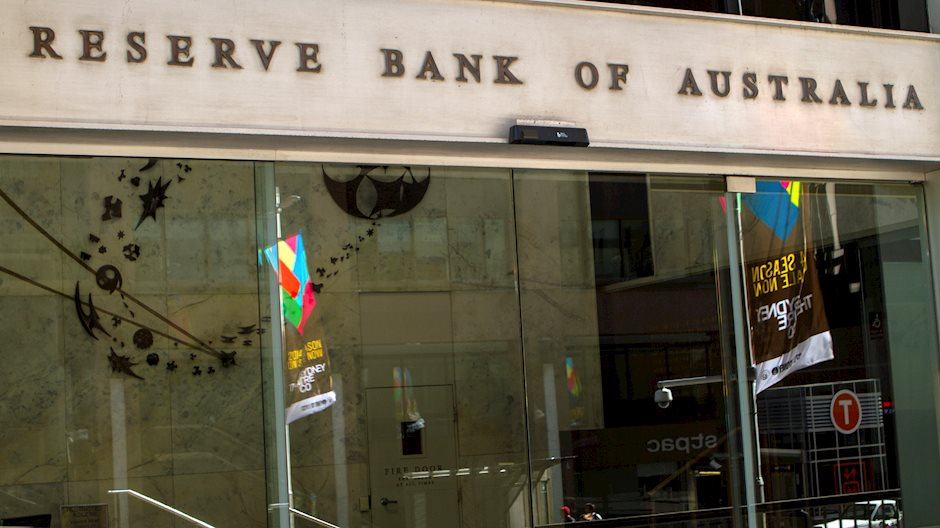

Last week was a busy week for many countries in the world, as monetary policy decisions were made by the Federal Reserve (Fed) in the United States, the Bank of England (BoE), as well as the Norwegian, the Taiwanese, the Turkish, the South African and the Japanese central banks.
This week, the Reserve Bank of Australia (RBA) and the Swiss National Bank (SNB) will meet to decide whether to lower interest rates or keep them at current levels. Let’s discuss what has been decided last week and what traders should expect from this week’s monetary policy decision.
The Fed cut interest rates for the first time since the COVID-19 pandemic
The Fed made a significant move last week, cutting U.S. interest rates for the first time in four years amidst signs of cooling inflation and a slowing labour market. It marks a departure from the central bank’s previous strategy of aggressive rate hikes to combat inflation when rates reached a target range of 4.75-5.00%.
While the move was welcomed by market participants, it wasn’t without dissent within the Fed, highlighting the complexities of navigating current economic conditions. Federal Reserve Governor Michelle Bowman expressed disagreement with the Fed’s decision. She would have preferred to adopt a more cautious quarter-point reduction, citing concerns about inflation remaining above the Fed’s 2% target. Bowman also voiced worry that the larger rate cut could be mistakenly perceived by the public as a signal that the fight against inflation is over.
Market sentiment soared in response to the Fed’s announcement. All three major U.S. stock indices saw weekly gains, with the S&P 500 and Dow Jones reaching new record highs. The S&P 500 rose 1.36%, the Dow ended the week higher by 1.62% and the Nasdaq gained 1.49%. The Euro also strengthened 1.15% against the U.S. Dollar.
Analysts offered mixed interpretations of the rate cut. Some view it as a sign of confidence in the economy’s resilience, suggesting the Fed is taking proactive measures to sustain growth. Others, however, see it as a potential indicator of underlying concerns about the economy’s health.
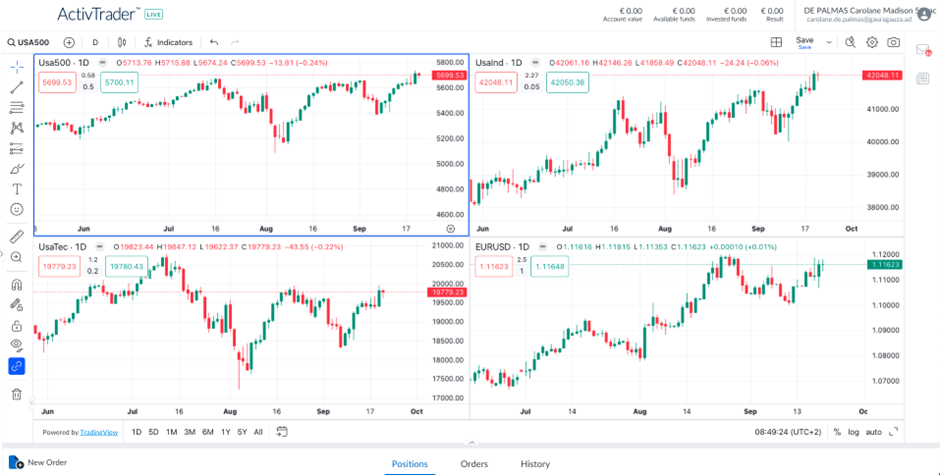
S&P 500, Dow Jones, Nasdaq and EUR/USD Daily Charts - Source: ActivTrader
Taiwan central bank holds rates steady amid inflation concerns
The Central Bank of the Republic of China (Taiwan) central bank has decided to keep interest rates unchanged due to concerns about inflation, even as other central banks in the region are starting to lower rates like the Philippines. The discount rate remained at 2.000%, while both secured and unsecured loan rates were unchanged at 2.375% and 4.250%, respectively
The central bank wants to be certain that inflation is fully under control before making any rate adjustments. This cautious approach comes after a previous decision to maintain rates unchanged in June and an earlier 12.5 basis point hike in March to combat rising prices.
Despite some positive signs, inflation remains slightly elevated, contributing to the bank’s cautious stance. Between January and August 2024, consumer prices in Taiwan rose by an average of 2.32%. During the same period, the core consumer price index, which excludes volatile food and energy prices, increased at an annual rate of 1.97%.
However, the central bank is optimistic about Taiwan’s economy, mostly thanks to its strong technology sector, especially major chip manufacturers. The stock market shows that investors are confident too, with the FTSE TWSE Taiwan 50 Index closing the week with a 2.01% gain.
UK services inflation fuels rate hold
The Bank of England has chosen to maintain its benchmark interest rate at 5%, despite recent indications of easing inflation. This decision comes on the heels of an August rate cut, which brought borrowing costs down from a 16-year high of 5.25%.
While the BoE acknowledges the likelihood of future rate reductions, it is proceeding cautiously due to persistent inflationary pressures. In particular, the bank is concerned about rising prices in the services sector and increasing wages, which could translate to higher costs for labour-intensive businesses and potentially trigger a broader resurgence of inflation.
Recent data shows that the overall inflation rate held steady in August, despite services inflation actually accelerating, rising to 5.6% from 5.2% in July. This development, coupled with the fact that consumer prices were 2.2% higher in August compared to the same month last year, suggests that the fight against inflation is far from over.
The British pound strengthened significantly against the U.S. dollar last week, gaining 1.54% and reaching its highest value since February 2022.
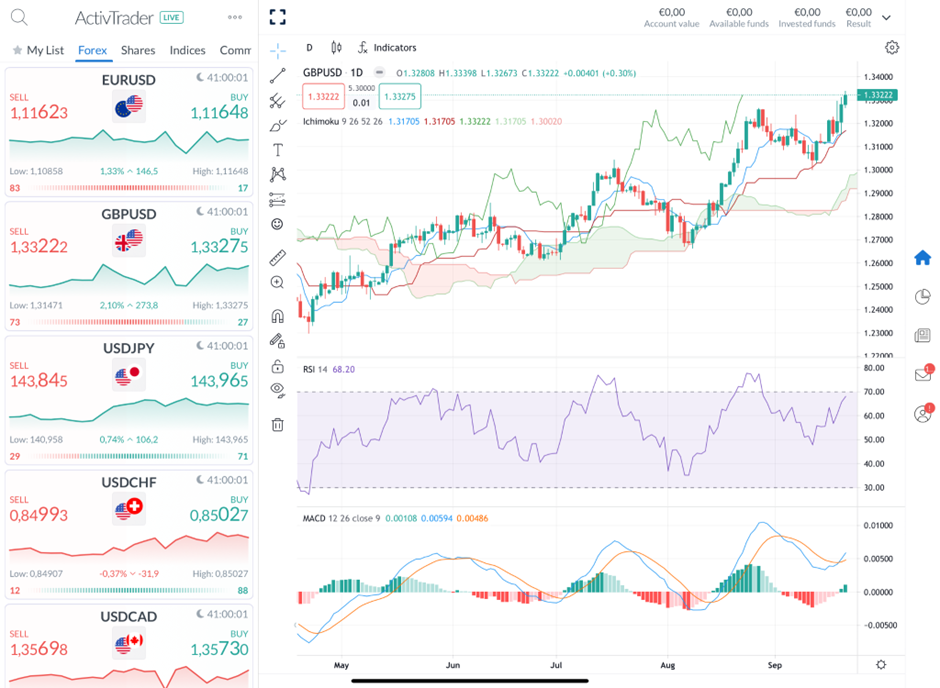
GBP/USD Daily Chart - Source: ActivTrader
South Africa eases monetary policy, signalling confidence in inflation fight
In response to easing inflation, the South African Reserve Bank (SARB) has decided to cut its main repo rate from a 15-year high of 8.25% to 8%. This move comes after recent data showed headline inflation falling to 4.4%, just below the central bank’s target midpoint of 4.5%.
SARB Governor Lesetja Kganyago revealed that the Monetary Policy Committee had deliberated over whether to hold the rate, cut it by 25 basis points, or opt for a more substantial 50 basis point reduction. Kganyago also indicated that rates are expected to stabilise "slightly above 7%" next year, acknowledging the improving global economic conditions but also cautioning that risks remain.
This rate cut marks a significant shift in the SARB’s monetary policy stance. Prior to this decision, the bank had maintained the repo rate unchanged for seven consecutive meetings, following a series of ten consecutive rate hikes aimed at curbing inflation. For much of the past three years, South Africa has grappled with high inflation, often exceeding the central bank’s target range. However, a sharp decline in inflation in July and August paved the way for this latest easing of monetary policy.
The recent drop in South Africa’s inflation rate to its lowest point since April 2021 has fueled optimism that the country may achieve a "soft landing," successfully curbing inflation without triggering a severe economic downturn. However, the SARB remains vigilant, recognizing that challenges persist and that a smooth economic path is not guaranteed.
What to expect from the RBA and the SNB this week?
Economists predict that the Reserve Bank of Australia (RBA) will eventually cut interest rates, but not necessarily in the near future. The RBA is focused on bringing inflation down to its 2-3% target range, and any rate changes will depend on progress towards that goal. As inflation was around 3.5% in July, the RBA is expected to leave its cash rate at 4.35%.
The Swiss National Bank (SNB) is widely expected to cut interest rates again soon. The only uncertainty is whether the cut will be 25 or 50 basis points. The SNB has already led the way in cutting rates this year, reducing them twice by 25 basis points each in March and June to reach 1.25% since then.
Stay up to date with what's moving and shaking on the world's markets and never miss another important headline again! Check ActivTrades daily news and analyses here.
Author
Carolane de Palmas
ActivTrades
Carolane graduated with a Masters in Corporate Finance & Financial Markets and got the AMF Certification (Financial Markets Regulator in France). Afterward, she became an independent trader, investing mostly in European and American stocks/indices.