Bank of England Preview: A risk event for the GBP/USD rally
- Bank of England expected to raise rates by 25bps.
- More tightening beyond May seems posible as inflation decelerates frustratingly slow.
- GBP/USD trades at the highest level since May 2022, with the Pound looking strong.
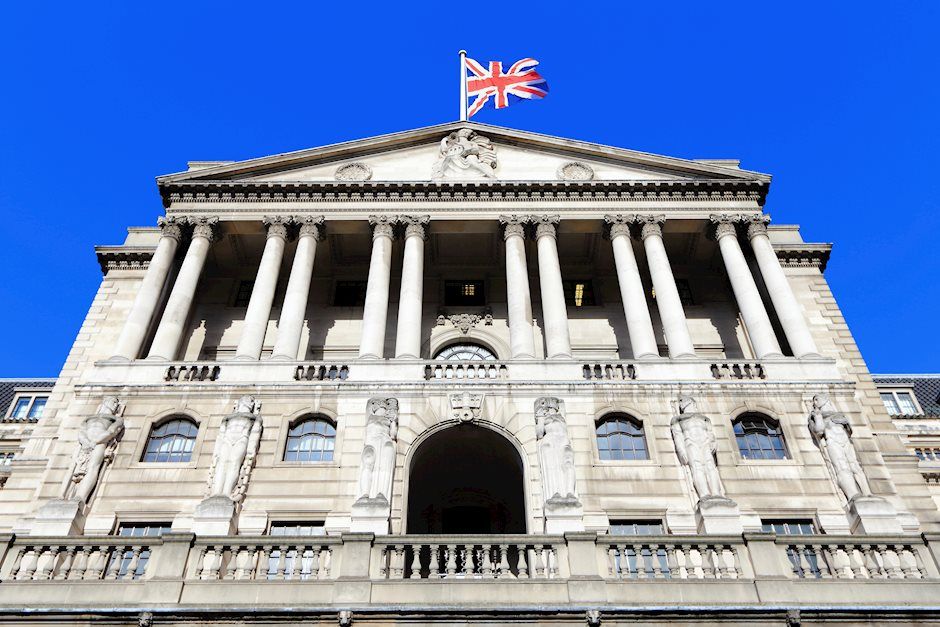

The Bank of England (BoE) is scheduled to announce its decision on monetary policy on Thursday at 11:00 GMT. Alongside the decision, the minutes of the meeting and the Monetary Policy Report will also be released. Following the announcement, BoE Governor Andrew Bailey will hold a press conference at 11:30 GMT to provide further insights and address some questions.
A 25 basis points rate hike is widely expected, from 4.25% to 4.50%. There is a division at the Monetary Policy Committee (MPC) as external members Silvana Tenreyro and Swati Dhingra do not support further rate hikes. They are expected to vote against more tightening. The rest of the seven members are seen favoring rate hikes. If some members join the “no change” team, this would hit GBP.
How many more to go?
At the March meeting, the BoE raised the key rate by 25 basis points. "If there were to be evidence of more persistent pressures, then further tightening of monetary policy would be required," the BoE said in its policy statement. The reaction of the Pound was limited. At that time, GBP/USD was trading around 1.2300 and EUR/GBP was at 0.8850.
In March, the UK Consumer Price Index rose by 10.1% compared to a year ago, and the Core CPI rise came at 6.2%. The deceleration of inflation has been slow while, at the same time, the economy has proved to be resilient. This context clears the way to more tightening. However, what will happen after the May Monetary Policy Committee (MPC) meeting remains uncertain. If there is a significant slowdown in April's inflation, coupled with negative indicators from the economy, it could lead to a potential pause in tightening. Additionally, the upcoming UK GDP data, scheduled for release on Friday at 6:00 GMT, will also carry significant importance.
MPC members will present updated projections that will influence the interest rate market, playing a crucial role in shaping the direction of the Pound. If the inflation forecasts are revised upward, it will raise expectations for additional rate hikes and for a higher terminal rate.
In terms of forward guidance, market participants do not anticipate significant changes. With two members voting against rate hikes, the BoE cannot adopt an aggressively hawkish stance.
GBP/USD: Rally at risk?
In the short term, GBP/USD has benefited from an improvement in market sentiment and also from diverging monetary policies. The Federal Reserve (Fed) is perceived to be initiating a pause in its tightening cycle, while market participants anticipate further rate hikes from the Bank of England (BoE) beyond Thursday.
The forward guidance, Andrew Bailey's comments on his press conference, and the voting distribution will be crucial for the Pound's reaction. The expected hawkish tone should strengthen the currency. However, some of this is already factored into the market, so if the Bank of England (BoE) adopts a more dovish stance, the Pound could face downward pressure.
-638193107803562145.png)
Since March 8, the pair has been moving with an upside bias that still remains in place. The strong momentum will continue if GBP/USD holds above 1.2585. Above 1.2700, there is not much resistance until 1.2990. The key support for the current move is located at 1.2485/1.2500, which is the confluence of the 20-day Simple Moving Average, an uptrend line and a horizontal resistance.
Premium
You have reached your limit of 3 free articles for this month.
Start your subscription and get access to all our original articles.
Author
Matías Salord
FXStreet
Matías started in financial markets in 2008, after graduating in Economics. He was trained in chart analysis and then became an educator. He also studied Journalism. He started writing analyses for specialized websites before joining FXStreet.

















