Are commodity cash crops contributing to rising food prices?
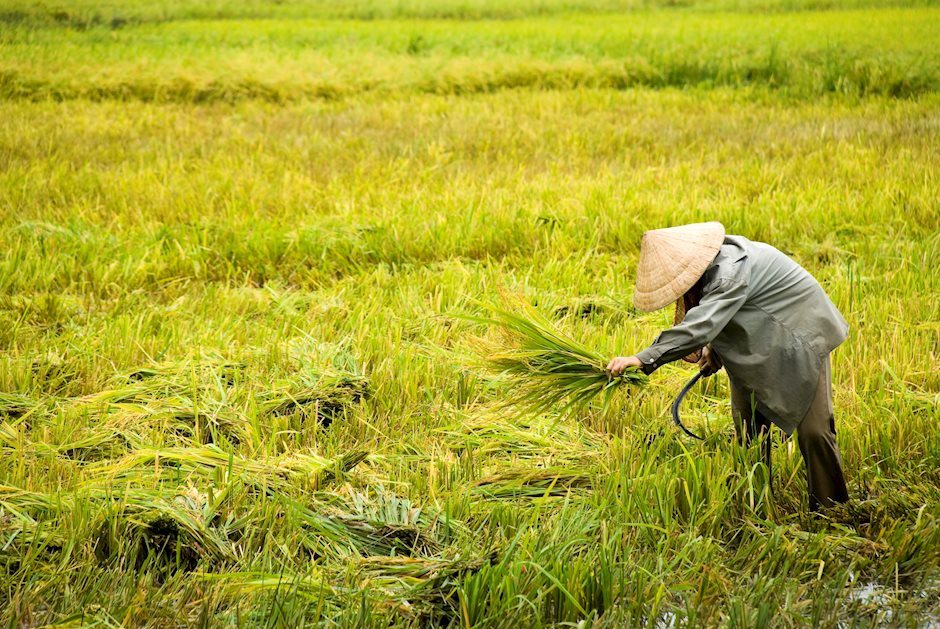

For years, climate change and extreme weather events, coupled with a ballooning population, have had an impact on food production and supply globally. The lingering COVID-19 pandemic and its effect on supply chains, as well as the recent geopolitical tensions involving two of the world’s largest food producers have further exacerbated fears of a looming food crisis.
In February, the FAO Food Price Index, which tracks global food prices, jumped to an all-time high, driven by higher prices of vegetable oil, dairy, cereals and meat.
The data by the UN Food and Agriculture Organization underscored the domino effect of rising energy prices and supply chain disruptions on the entire food and beverage industry, from upstream agro-processing industries down to downstream sectors including food retailers.
Wheat prices soar to record highs
Wheat, one of the most widely grown food crop in the world, is at risk of facing a supply crunch as the war between Russia and Ukraine drags on. Both countries account for about 30% of the global wheat production.
The crisis has led to US wheat futures soaring past record levels set in 2008. However, growers are finding it hard to cash in on the surge in prices as farm cooperatives, flour millers and exporters have stopped buying wheat harvest for future delivery over fears that they may not be able to pocket gains from reselling, according to a Reuters feature.
Failure to sell their winter wheat may prompt farmers to cut down on their spring planting, potentially leading to further shortages and elevated prices.
Coffee prices shoot up
The price of coffee, a staple for many, is also on the rise mainly due to adverse weather conditions in a number of growing countries like Brazil, as well as supply chain delays linked to the resumption of economic activities in many countries.
In 2021, Arabica coffee futures grew 76%, the largest annual jump since 2010, according to The Wall Street Journal. The increase came as Brazil, the world’s top coffee-growing country, suffered damaging frosts that followed its worst drought in 91 years, curbing coffee production. The USDA’s Foreign Agricultural Service estimates a 19% drop in Brazil’s coffee production for the fiscal year ending in June 2022.
Coffee sellers and roasters have resorted to passing on the price pressures to customers, with Nestlé (OTCMKTS:NSRGY), which sells its coffee under the Nescafé brand, hinting in October that it would increase prices this year.
US coffee giant Starbucks (NASDAQ: SBUX) also disclosed plans to further hike prices to counter rising costs.
Sugar rush intensifies
Sugar, a staple pantry ingredient, is also seeing historically high prices. Although the impact of the Ukraine war on sugar is limited as Ukraine and Russia are not major exporters of the commodity, the surge in crude oil prices are predicted to boost the demand for sugar-based ethanol, leaving less sugar for exports and for food production.
Brazil, the world’s largest sugar exporter, was recently reported by Reuters to have shipped nearly 200,000 tonnes of raw sugar to Russia as concerns of stockpiling led to stronger demand for sugar and other food staples in the country.
Author
Mark O’Donnell
Blackbull Markets Limited
Mark O’Donnell is a Research Analyst with BlackBull Markets in Auckland, New Zealand.