Apple scraps EV, joins AI race
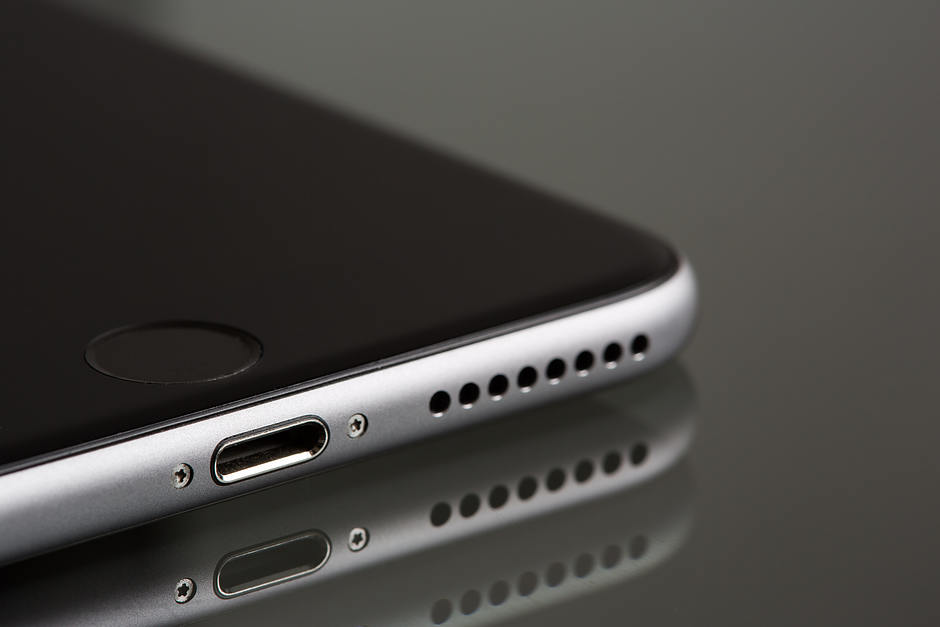

Apple abandoned its ambition to build an electric car. Yes, Apple car, which is in the making since the past decade, will never see the daylight. The company abandoned one of its biggest projects of the past decade in a surprise decision yesterday and said that the 2000 people working on it concentrate on the generative AI division instead. That’s exactly what Meta did last year; it decided to become more discrete on its metaverse development and go full blast into AI to increase its business value. This is what Apple is doing today. Having understood that missing the AI turn would be a severe hit to the company, they are getting – a bit later than the others – into the AI race. Better late than never.
Apple has been struggling to extend gains since last December. The latest earnings season hasn’t been a walk in the park given the difficult business in China. And while Apple’s tech peers saw their stock prices rise from the record to record, Apple’s only achievement – I am talking about stock price huh? – has been to keep its head above $180 per share. So yes, doubling down on AI is certainly a good decision, Apple rose 0.81% yesterday.
Elsewhere, Microsoft cut a deal with the European Mistral AI, and Alibaba led the largest single day financing round for a Chinese AI startup called Moonshot AI, hoping that it could help them smooth out supply chains and lead to more efficient automation. All this to say that the AI topic is here to stay. The more companies move toward AI developments, the more Nvidia investors see dollars in their eyes. Nvidia didn’t gain yesterday – not a usual day for the chip giant, but the developments confirm that investments pour in.
On the macro front
The S&P 500 had a slow session yesterday, as the US yields were little changed on the back of mixed economic data, the rising suspense regarding whether the US will default on March 1 and a 7-year US government bond auction that settled above 4.30%. The durable goods orders tanked more than 6% in January, the most in nearly 4 years. Richmond manufacturing index came in better-than-expected, except for shipments, while Atlanta Fed’s GDPNow index was revised up to 3.2% for this quarter from 2.9% printed earlier.
Today, the US will reveal its latest GDP numbers. The US economy is expected to have grown 3.3% in Q4. That’s lower than the 5% printed in the Q3, but it’s still a very strong growth for an economy that underwent the most aggressive tightening cycle of its modern history. And if Atlanta’s GDP prediction is an indication, the slowdown will slow in the first quarter of this year.
Robust growth is good, if it’s not accompanied by stronger inflation. Is it possible? Yes, it is possible, if supply grows faster than demand, but I think that’s not necessarily the case for the US right now. Demand remains strong despite the latest weakness in consumer spending and durable goods orders. And core PCE – which will be released tomorrow – is expected to print the biggest jump in a year on a monthly basis. Therefore, good news (on GPD data) has the potential to be bad news for market sentiment, provided that strong growth and higher inflation would push the Federal Reserve (Fed) rate cut expectations further down the road. Pricing today suggests that the market expects a 75bp cut from the Fed this year – matching what the Fed members plotted on their latest dot plot in December. The probability of a June rate cut slipped just below 60% yesterday. A U-turn in inflation won’t only delay the first rate cut but likely slow the pace of the future cuts as well. That’s not good news for risk appetite.
But hey, don’t ring the alarm bell yet. G20 chiefs said that soft landing is possible, as the post-pandemic inflation is gently fading. If there is no major surprise on the inflation front, the central banks should go ahead with their rate cut plans and avoid a recession. If not, high inflation would call for an extended period of high interest rates which could eventually push the world economy into recession. It’s all on inflation’s shoulder.
Good news: inflation in Japan fell to a 22-month low and inflation in British stores slowed to the lowest level since March 2022 thanks to easing supply-chain pressures, falling input costs for energy and fertilizers and a forceful competition between the British retailers.
In the FX, the US dollar index is stuck between its 100 and 200-DMA and should find a clear direction after tomorrow’s inflation print. US crude continues to test the $79pb offers to the upside. Inflation in Australia came in lower than expected, keeping the Reserve Bank of Australia (RBA) hawks away from the marketplace, and the Reserve Bank of New Zealand (RBNZ) kept its rate unchanged for the 5th straight meeting and said that risks to inflation became more balanced. The Kiwi-dollar fell to 0.61 as the latest RBNZ decision came as a disappointment to hawks who were betting that the RBNZ would hike rates at today’s meeting.
Author
Ipek Ozkardeskaya
Swissquote Bank Ltd
Ipek Ozkardeskaya began her financial career in 2010 in the structured products desk of the Swiss Banque Cantonale Vaudoise. She worked in HSBC Private Bank in Geneva in relation to high and ultra-high-net-worth clients.